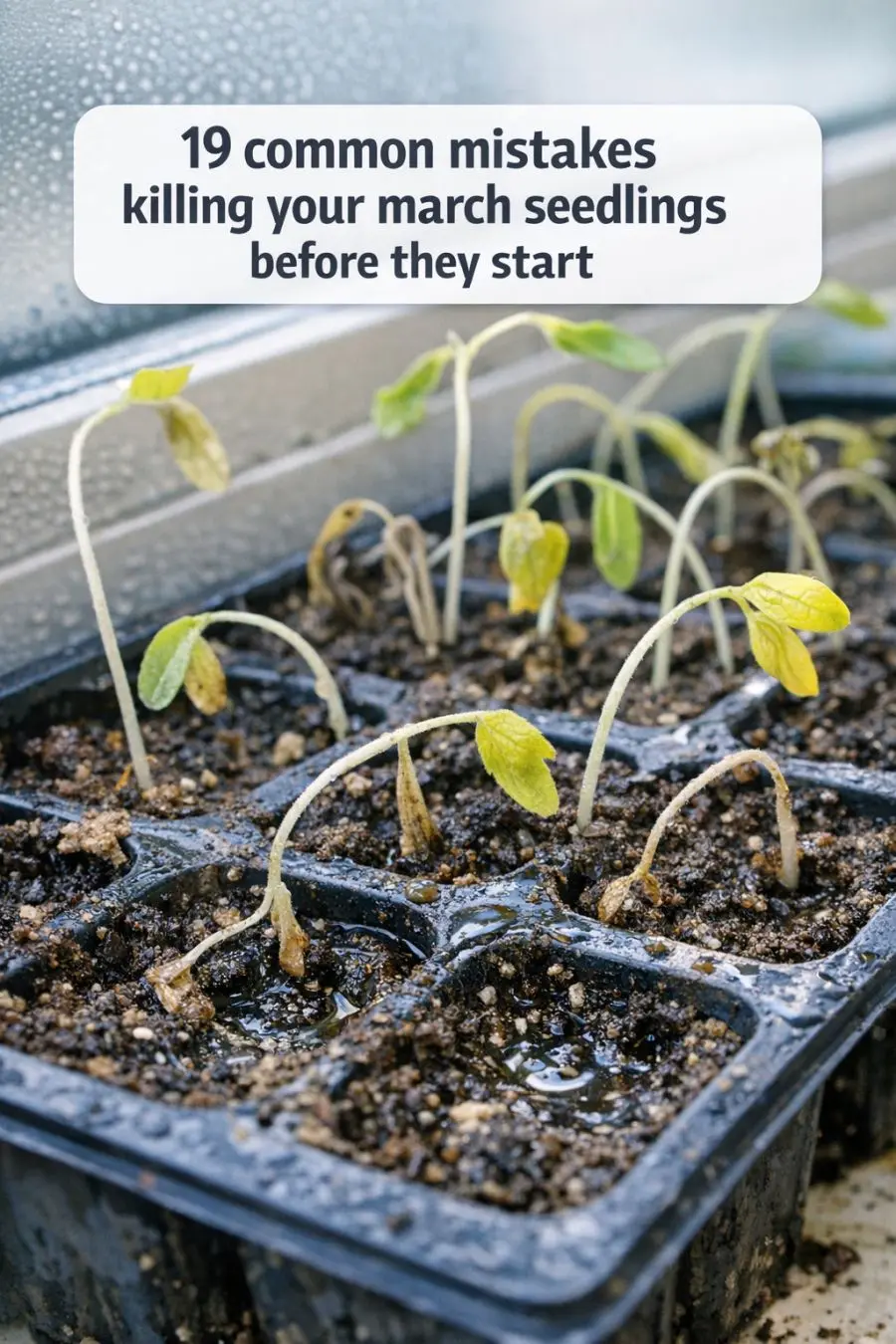
8. Letting Seedlings Cook On Sunny Windowsills
Placing seedlings on a sunny windowsill might seem ideal, but it can lead to overheating, especially on warm, sunny days. The glass can amplify the sun’s heat, causing the soil to dry out quickly and potentially damaging the tender plants. If a windowsill is your only option, monitor the temperature closely and provide shade during peak sunlight hours, or consider using a fan to circulate air and keep temperatures stable.
9. Ignoring Temperature And Heat Mat Misuse
Seedlings thrive in specific temperature ranges, and using heat mats can help maintain optimal soil temperatures for germination. However, misuse of heat mats by leaving them on constantly can lead to overheating and stress seedlings. Once seeds have germinated, remove the heat mat to prevent overheating. Monitor ambient temperatures as well, aiming for 65-75°F for most seedlings during the day and slightly cooler at night.
10. Crowding Seeds And Skipping Thinning
While it might be tempting to sow seeds densely to ensure germination, overcrowding can lead to competition for resources, resulting in weak and spindly seedlings. Once seedlings develop their first set of true leaves, thin them to the recommended spacing for the species. This allows each plant to receive adequate light, nutrients, and airflow, promoting healthy growth.
11. Neglecting Airflow And Ventilation
Proper airflow is crucial in preventing fungal diseases and promoting strong seedling growth. Stagnant air can lead to mold and mildew, while gentle air circulation encourages sturdier stems. Consider using a small fan on a low setting to provide ventilation and mimic outdoor breezes, which helps seedlings develop resilience to outdoor conditions.
12. Overfertilizing Tender Sprouts Too Soon
Seedlings are sensitive to high concentrations of fertilizers, which can lead to nutrient burn and stunted growth. Most seed-starting mixes contain sufficient nutrients for the early stages of growth. Begin fertilizing only after the first true leaves appear, and use a diluted liquid fertilizer at quarter to half strength every two weeks to avoid overwhelming the young plants.
13. Reusing Dirty Trays And Spreading Disease
Reusing seed trays without proper cleaning can introduce diseases and pests to your new seedlings. Before starting a new batch, thoroughly clean trays with soap and water, followed by a 10% bleach solution to disinfect them. This practice minimizes the risk of transferring pathogens from previous plantings.
14. Forgetting To Label Varieties And Dates
Failing to label seedlings can lead to confusion and mistakes later in the growing season. Use waterproof labels or markers to note the plant variety and date of planting. This information is invaluable for tracking germination times, growth progress, and future planning. Labeling ensures you can identify and care for each variety correctly.
15. Leaving Domes On Too Long After Germination
Humidity domes help maintain moisture and warmth during germination, but leaving them on too long can lead to mold growth and weak seedlings due to excessive humidity. Once the majority of seeds have sprouted, remove the dome gradually to acclimate seedlings to lower humidity levels and improve airflow.
16. Handling Seedlings Roughly During Transplanting
Transplanting is a critical stage that requires gentle handling to avoid damaging delicate roots and stems. Always handle seedlings by their leaves rather than stems to reduce the risk of crushing or breaking them. When transplanting, water seedlings thoroughly beforehand to minimize root disturbance and ensure they are well-hydrated.
17. Skipping Hardening Off Before Outdoors
Sudden exposure to outdoor conditions can shock seedlings, resulting in stunted growth or death. Hardening off gradually acclimates plants to outdoor conditions. Begin by placing seedlings outside in a sheltered location for a few hours each day, gradually increasing exposure over a week to 10 days. This process helps seedlings adapt to changes in temperature, light, and wind.
18. Exposing Seedlings To Pests And Fungal Spores
Seedlings are particularly vulnerable to pests and fungal infections. Keep seed-starting areas clean and inspect plants regularly for signs of pests like aphids or damping-off disease. Utilize natural pest control methods, such as neem oil or insecticidal soap, and ensure good ventilation to reduce the likelihood of fungal issues.
19. Giving Up After The First Failed Seed Tray
Gardening is a learning process, and failures are an opportunity to improve your skills. If your first attempt at starting seedlings doesn’t succeed, don’t be discouraged. Analyze what went wrong, research solutions, and try again. Each failure brings you closer to success, and with patience and persistence, your gardening efforts will eventually yield fruitful results.
