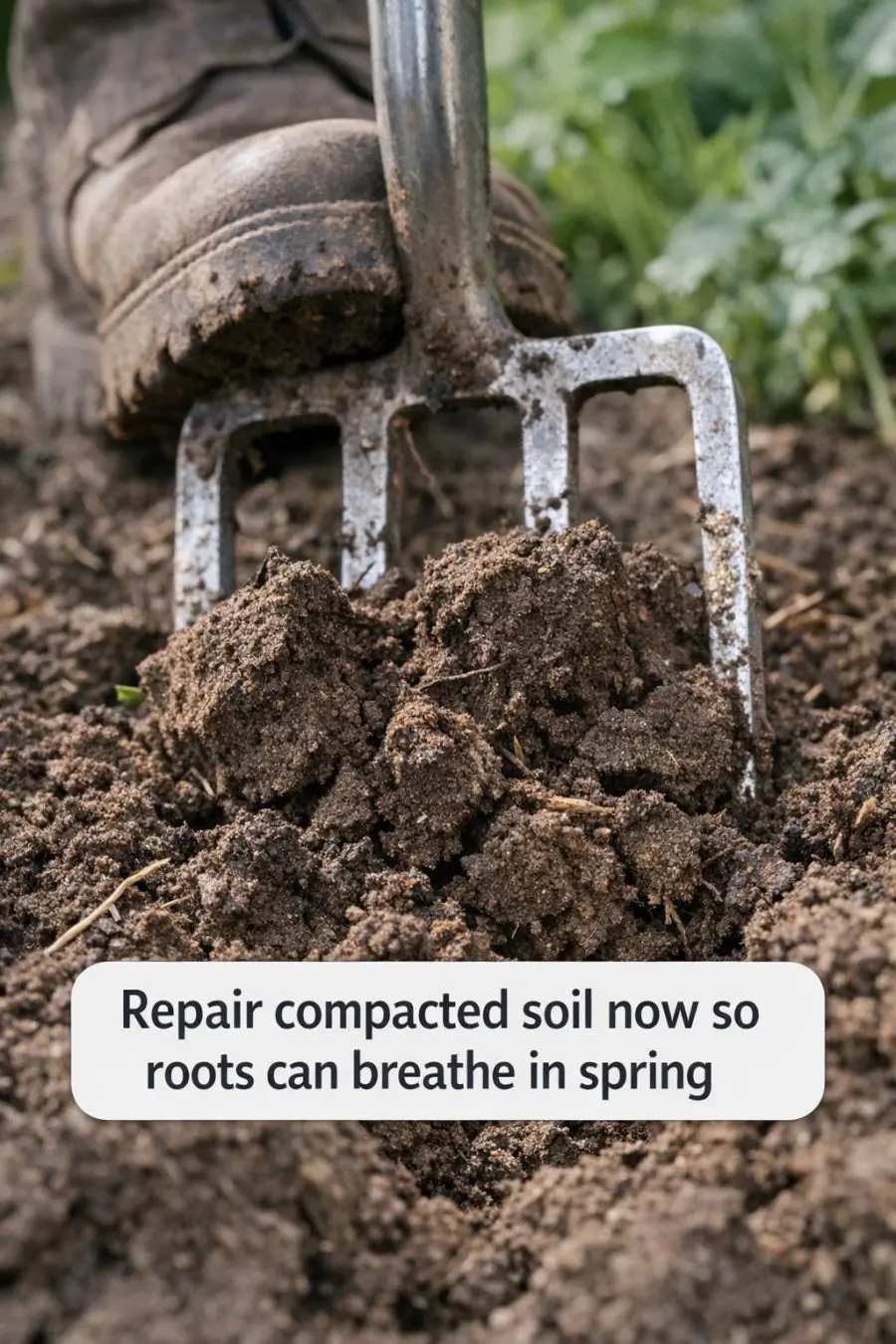
As autumn leaves begin to fall and the air turns crisp, gardeners and landscapers face the perfect opportunity to prepare their soil for the upcoming spring. One common issue that can severely impact the health of your plants is soil compaction. Compacted soil restricts airflow, impedes water infiltration, and limits root growth, ultimately suffocating plants. Fortunately, fall is the ideal time to address this issue, ensuring that plant roots can breathe and thrive once the growing season returns.
Repairing compacted soil may seem daunting, but with the right knowledge and tools, it’s a manageable task. By understanding the causes and effects of soil compaction, as well as implementing effective strategies for remediation, you can create a healthy foundation for your garden. This guide will provide detailed information on identifying compacted soil, selecting the right time for intervention, and employing both manual and mechanical methods to restore soil structure.
1. Why Compacted Soil Suffocates Roots
Compacted soil is characterized by a dense, hard structure that reduces the pore space necessary for air and water movement. In healthy soil, about 50% of the volume should be pore space, which allows roots to access oxygen and nutrients effectively. However, when soil becomes compacted, this pore space can decrease to less than 30%, severely restricting root access to essential resources.
Without adequate oxygen, roots struggle to perform critical functions such as nutrient uptake and respiration. This can lead to stunted growth, poor plant health, and even plant death. Additionally, compacted soil can lead to increased surface runoff and erosion, as water is unable to penetrate the hard surface. This not only deprives plants of moisture but also exacerbates soil degradation.
2. How To Tell If Your Soil Is Compacted Right Now
Identifying compacted soil requires a keen eye and some basic testing. One simple method is the screwdriver test: attempt to push a screwdriver into the soil. If it meets significant resistance, your soil is likely compacted. Another indicator is poor drainage; if water pools on the surface after a rain, this suggests compaction.
Additionally, observe the growth and health of plants in the area. Compacted soil often leads to patchy lawns and struggling plants with shallow root systems. You may also notice a lack of earthworm activity, as these beneficial creatures avoid compacted areas.
3. Timing Matters: Why Late Fall and Winter Are Prime Repair Seasons
Late fall and winter present unique advantages for addressing compacted soil. During this time, plant growth slows, and the ground is typically more amenable to modification, especially after the first frost when the soil is less saturated with water.
Working on soil during these seasons minimizes disturbance to active plant roots and allows for the natural freezing and thawing cycles to aid in breaking up compacted layers. This timing also ensures that the soil is in optimal condition for spring planting.
4. Stop Making It Worse: Traffic, Tilling, and Other Hidden Culprits
Human activity is a significant contributor to soil compaction. Frequent foot traffic, heavy machinery, and even excessive tilling can compress soil particles, reducing pore space. Limiting foot and vehicle traffic on vulnerable areas, especially when the soil is wet, can help prevent further compaction.
While tilling can temporarily loosen soil, over-tilling disrupts soil structure and can lead to increased compaction over time. Instead, consider no-till gardening methods and use designated walkways to minimize impact on planting areas.
5. Easy Manual Fixes: Core Aeration, Forking, and Simple Tools
Manual aeration is an effective way to alleviate soil compaction. Core aerators remove small plugs of soil, creating channels for air and water to penetrate deeper layers. This method is especially effective for lawns and small garden areas.
For garden beds, using a garden fork to gently loosen soil can also be beneficial. Insert the fork into the soil and rock it back and forth to break up compacted layers. Simple hand tools like broadforks can also be valuable for larger areas, as they allow for deeper penetration without turning over the soil completely.
6. Go Deeper: Mechanical Aerators and When To Rent Heavy Gear
For larger areas or severely compacted soil, mechanical aerators offer a more robust solution. These machines are equipped with rotating tines or blades that penetrate the soil, offering more extensive and uniform aeration than manual methods.
Consider renting a mechanical aerator if your yard or garden is extensive or if manual methods have proven insufficient. These machines are typically available at garden centers or equipment rental stores, and they can save significant time and effort while providing deep, thorough aeration.
7. Supercharge Recovery With Compost and Organic Matter
Incorporating organic matter is a key step in improving soil structure and fertility. After aerating, spread a 2-3 inch layer of compost or well-rotted manure over the soil surface. Organic matter enhances microbial activity, improves drainage, and increases the soil’s ability to retain moisture.
As the organic material breaks down, it helps to loosen the soil further, creating a more hospitable environment for roots. This also encourages beneficial organisms like earthworms to thrive, which naturally aerates and enriches the soil.
8. Use Living Roots: Cover Crops That Break Up Hardpan Naturally
Cover crops are a natural and effective way to combat soil compaction. Plants like clover, radishes, and rye have deep root systems that penetrate hard soil layers, improving structure and adding organic matter as they decompose.
Planting cover crops in late fall allows them to establish before winter sets in. As they grow, their roots create channels that enhance soil aeration and water infiltration. In spring, these crops can be tilled into the soil or left to decompose, further enriching the soil.
9. Mulch, Not Mud: Protecting Repaired Soil Until Spring
Once you’ve aerated and amended your soil, protecting it over the winter is crucial. Applying a 2-4 inch layer of mulch helps to insulate the soil, prevent erosion, and suppress weeds. Mulch also retains moisture and adds organic matter as it breaks down.
Avoid walking on mulched areas to prevent re-compaction. Instead, use stepping stones or boardwalks to traverse garden paths without disturbing the soil. This will preserve your hard work and ensure that the soil remains in prime condition for spring planting.
10. Watering Smarter So Air Can Return to the Root Zone
Proper watering techniques are vital for maintaining soil structure. Overwatering can lead to soil compaction by washing away smaller particles and collapsing pore spaces. Aim to water deeply but infrequently, allowing the soil to dry out slightly between sessions.
Utilize drip irrigation or soaker hoses to deliver water directly to the root zone, minimizing surface runoff and promoting deeper infiltration. This method ensures that roots have access to both air and moisture, fostering a healthy growing environment.
11. Long-Term Habits To Keep Soil Loose and Roots Breathing
Maintaining loose, aerated soil requires consistent care and attention. Regularly top dress garden beds with organic matter, monitor traffic patterns to minimize compaction, and rotate crops to prevent soil exhaustion.
Consider implementing permaculture practices, such as planting perennial species and using ground covers, which naturally improve soil structure over time. By adopting these long-term habits, you can ensure that your soil remains healthy, porous, and ready to support robust plant growth year after year.
