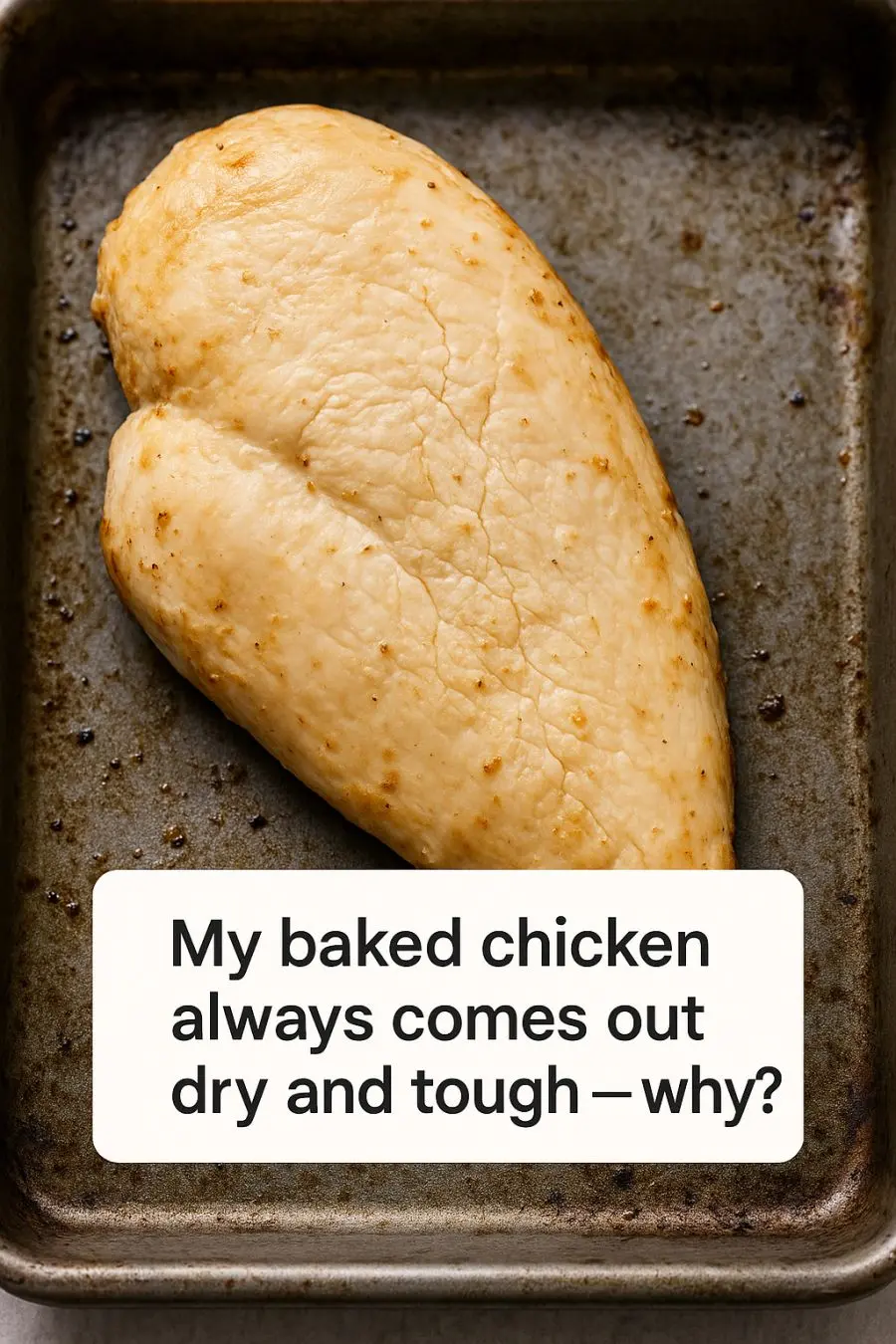
Baked chicken is a staple in many households, cherished for its simplicity and potential for deliciousness. However, for many home cooks, the result is often disappointing: dry, tough meat that lacks the juicy tenderness we all crave. Understanding why this happens is the first step to ensuring a perfectly baked chicken every time.
In this article, we’ll explore the common reasons your baked chicken might be coming out less than perfect and offer practical solutions to elevate your cooking game. From overcooking to improper temperature settings, these are the top mistakes you might be making and how to fix them for juicy, flavorful chicken every time.
1. You’re Overcooking Lean Meat
One of the most common mistakes when baking chicken is overcooking it. Chicken breast, in particular, is a lean meat that can quickly turn from tender to tough if left in the oven too long. The USDA recommends cooking chicken to an internal temperature of 165°F (74°C), but many people err on the side of caution, leaving it in the oven longer than necessary. This results in dryness and a chewy texture.
To avoid this, consider cooking chicken to just below the recommended temperature, around 160°F (71°C), and allowing it to rest. The internal temperature will continue to rise slightly due to residual heat, bringing it to the safe and perfect level of doneness.
2. Your Oven Temperature Isn’t What You Think
Oven temperatures can be deceiving, and a slight miscalculation can lead to overcooked chicken. Many ovens are not accurately calibrated and can be off by as much as 25 degrees, which can drastically affect your cooking times and results. An oven thermometer is an inexpensive tool that can help you ensure your oven is at the correct temperature.
Once you have your oven temperature accurately measured, adjust your cooking times accordingly. If your oven runs hot, reduce the temperature slightly or shorten the cooking time to prevent drying out your chicken.
3. You Skip Brining or Marinating
Brining or marinating chicken before baking can make a significant difference in the final texture and flavor. Brining involves soaking the chicken in a saltwater solution, which helps it retain moisture and season the meat throughout. A simple brine can be made with 4 cups of water and 1/4 cup of salt and can work wonders if you let the chicken soak for at least an hour.
Marinating, on the other hand, infuses flavor and can also help tenderize the meat. A marinade can include elements like olive oil, vinegar, lemon juice, herbs, and spices. Allow the chicken to marinate for several hours, or overnight if possible, to maximize flavor and moisture.
4. You’re Using Boneless, Skinless Breasts for Everything
Boneless, skinless chicken breasts are a popular choice for their convenience and health benefits, but they are also more prone to drying out. The lack of skin means there’s no natural fat to keep the meat moist during cooking. Consider using bone-in, skin-on chicken parts for roasting, as the bone helps retain moisture and the skin provides a protective barrier.
If you prefer using breasts, try cooking them with a sauce or covering them with foil during baking to lock in moisture. Alternatively, consider using thighs, which are more forgiving due to their higher fat content.
5. You Don’t Let Chicken Come to Room Temperature First
Cooking chicken straight from the fridge can result in uneven cooking, with the outside cooking much faster than the inside. Allowing chicken to come to room temperature for about 20-30 minutes before baking helps it cook more evenly.
This step is particularly important for thicker cuts, as it ensures the heat penetrates the meat uniformly, preventing the outer layers from drying out while the center reaches the safe cooking temperature.
6. You Bake Without Enough Fat or Moisture
Cooking chicken with dry heat alone can quickly lead to a dry result. Adding fat, like butter or oil, and moisture in the form of broth or wine can enhance flavor and keep the chicken juicy. Basting the chicken every 20 minutes or so with its juices or additional fat can also help maintain moisture.
Consider placing a layer of vegetables or a rack beneath the chicken to elevate it, allowing juices to circulate and flavor the meat. This method keeps the chicken from sitting in its fat, while still benefiting from the moisture it provides.
7. Your Pan and Rack Setup Is Drying It Out
The type of pan and rack you use can significantly affect the outcome of your baked chicken. A shallow baking dish can cause juices to evaporate too quickly, leaving the chicken dry. Instead, use a deeper dish to contain the juices and prevent them from drying up.
Using a rack to elevate the chicken can also be beneficial, allowing hot air to circulate and cook the meat evenly. Just be cautious not to let it dry out; adding a bit of broth or water to the bottom of the pan can provide additional moisture during cooking.
8. You Never Use a Meat Thermometer
Relying solely on cooking times can be misleading, as different ovens and chicken sizes vary. A meat thermometer is an essential tool in ensuring your chicken is perfectly done without overcooking. Insert the thermometer into the thickest part of the chicken, avoiding bone, and aim for an internal temperature of 165°F (74°C).
By using a meat thermometer, you gain precise control over the doneness of your chicken, allowing you to pull it from the oven at the perfect moment to ensure juiciness and tenderness.
9. You Cut Into It Too Soon After Baking
The temptation to cut into freshly baked chicken is understandable, but it’s essential to let it rest before serving. Resting allows the juices to redistribute throughout the meat, resulting in a moister end product. Cutting too soon will cause the juices to run out, leaving you with dry chicken.
Let the chicken rest for about 10-15 minutes after removing it from the oven, tented loosely with foil. This short period can make a significant difference in the overall juiciness and flavor of your chicken.
10. Your Coatings and Breading Are Working Against You
If you enjoy breaded or coated chicken, the method you use can impact the moisture level of the final dish. Coatings that are too thick or improperly applied can trap steam, making the coating soggy and the chicken dry.
Ensure that your coatings are applied evenly and not too thick. Consider using a light egg wash and a thin layer of breadcrumbs or flour to achieve a crispy exterior without sacrificing the moisture inside.
11. You’re Following Viral Hacks That Don’t Fit Your Chicken
With the rise of social media, many home cooks are trying viral cooking hacks that may not suit their chicken type or cut. While some hacks might work for smaller pieces or specific recipes, they can lead to disaster if applied incorrectly.
Always consider the size and cut of your chicken when trying new methods. For example, cooking times and temperatures for a whole chicken differ significantly from those for chicken breasts or thighs. Tailor your approach to the specific needs of your chicken to achieve the best results.
12. You Reheat Leftover Baked Chicken the Wrong Way
Leftovers can be a blessing, but reheating them improperly can turn a once juicy chicken into a dry disappointment. Microwaving, while convenient, often dries out chicken due to uneven heating.
For best results, reheat chicken slowly in the oven or on the stovetop with a bit of moisture, such as chicken broth or water, to help maintain its original texture. Covering the chicken with foil can also help retain moisture during reheating, ensuring your leftovers are just as enjoyable as the original meal.
