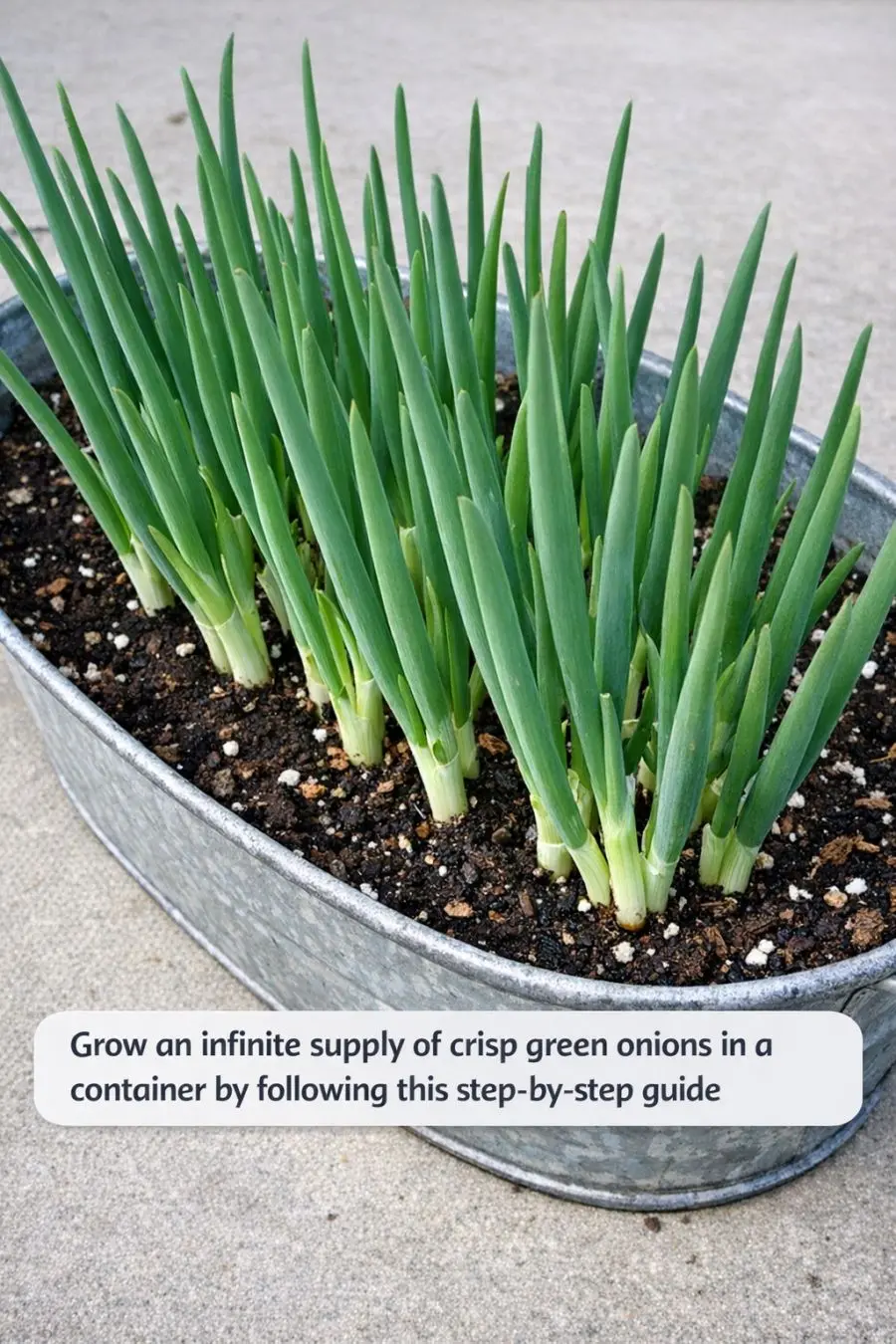
Green onions, also known as scallions or spring onions, are a versatile and flavorful addition to any dish. Whether you sprinkle them over a salad, use them as a garnish, or incorporate them into a stir-fry, their crisp texture and mild onion flavor can elevate your culinary creations. While they are readily available in grocery stores, growing your own green onions at home can ensure you have a fresh supply on hand at all times.
Growing green onions in containers is a simple and rewarding endeavor that doesn’t require a garden or extensive space. With just a few materials and some basic know-how, you can cultivate an endless supply of green onions right on your windowsill. This guide will walk you through the process step by step, making it easy for even novice gardeners to succeed.
1. Why Green Onions Are Perfect For Infinite Indoor Harvests
Green onions are ideal for indoor cultivation because they are hardy, low-maintenance, and quick-growing. Unlike other vegetables that require extensive care, green onions can thrive in a variety of indoor conditions. They grow rapidly, with new shoots often appearing within a week of planting. This makes them perfect for those looking to enjoy a quick harvest.
Moreover, green onions do not require deep soil to grow, making them suitable for container gardening. You can regrow green onions from scraps, which means you’ll never have to buy them again. Simply save the white bulbs with roots the next time you purchase green onions from the store, and you’re ready to start your indoor garden.
2. Choosing The Right Container For Bottomless Green Onion Growth
The container you choose for growing green onions should be at least 6 inches deep to allow ample room for root development. A pot with a diameter of 6 to 8 inches is usually sufficient for a small cluster of green onions. If you want to grow more, consider using a larger container or multiple smaller ones.
Ensure that the container has adequate drainage holes at the bottom to prevent waterlogging, which can lead to root rot. You can use traditional terracotta pots, plastic containers, or even repurpose items like old buckets or wooden crates, as long as they meet the depth and drainage requirements.
3. Potting Mix And Drainage: Building The Ideal Growing Base
A well-draining potting mix is crucial for the success of your green onion container garden. Use a high-quality potting soil that contains a mix of peat moss, vermiculite, and perlite. This combination ensures that excess water drains away while retaining enough moisture for the roots.
To enhance drainage, consider placing a layer of small stones or gravel at the bottom of the container before adding the potting mix. This extra step helps prevent water from pooling around the roots, reducing the risk of root rot.
4. Selecting Store-Bought Or Garden Green Onions To Regrow
You can start your green onion container garden with store-bought onions or those from your garden. When selecting green onions, choose those with healthy, white bulbs and intact roots. Avoid any with signs of rot or damage, as they are less likely to regrow successfully.
If you have green onions from your garden, harvest them by cutting the green tops and leaving about an inch of the white bulb with roots. This bulb will be the starting point for regrowth in your container.
5. Prepping The Onion Stubs For Rapid Root Regrowth
To prepare your green onion stubs for planting, rinse them thoroughly under cool, running water to remove any soil or debris. Trim the green tops, leaving about 1-2 inches of the white bulb with roots intact. This trimmed portion will focus on root and shoot development once planted.
For an extra boost, you can soak the bulbs in a shallow dish of water for 24-48 hours before planting. This helps stimulate root growth and ensures the bulbs are hydrated and ready to thrive in their new container home.
6. Planting Your Green Onions In The Container Step By Step
To plant your green onions, fill your chosen container with the prepared potting mix, leaving about an inch of space at the top. Using your finger or a small stick, make holes in the soil about 1-2 inches deep and spaced 1-2 inches apart.
Place each prepared onion bulb, root side down, into a hole and gently cover the roots with soil while leaving the top of the bulb exposed. Lightly press the soil around each bulb to secure it in place, then water thoroughly to help settle the soil around the roots.
7. Watering, Light, And Temperature For Nonstop Production
Green onions prefer consistently moist soil but do not tolerate waterlogged conditions. Water your container whenever the top inch of soil feels dry to the touch. This might mean watering every few days, depending on the humidity and temperature of your indoor environment.
Place your container in a location that receives at least 6-8 hours of bright, indirect sunlight per day. A south-facing windowsill is ideal. Green onions thrive in temperatures between 65°F and 75°F (18°C to 24°C), so consider moving them away from cold drafts or excessively hot areas.
8. Harvesting Techniques That Keep Your Onions Regrowing
To harvest your green onions, use scissors to cut the green tops about an inch above the soil level. This leaves the bulb and its roots intact, allowing the plant to regenerate and continue growing.
For continuous harvests, avoid cutting more than one-third of the plant at a time. This ensures that the plant has enough foliage to photosynthesize and produce energy for regrowth. With proper care, your green onions can be harvested multiple times from the same bulb.
9. Simple Feeding And Maintenance To Supercharge Yield
While green onions do not require heavy feeding, applying a balanced liquid fertilizer every 4-6 weeks can boost growth and yield. Choose a fertilizer with equal parts nitrogen, phosphorus, and potassium, such as a 10-10-10 formulation.
Regularly check your plants for signs of pests or disease, such as yellowing leaves or stunted growth. Remove any dead or damaged foliage, and ensure the container remains free of debris to promote a healthy growing environment.
10. Troubleshooting Common Green Onion Container Problems
If your green onions are not thriving, consider these common issues: insufficient light, overwatering, or poor drainage. Adjust the light exposure by moving the container to a sunnier spot and ensure you are not overwatering by letting the soil dry slightly between waterings.
If you notice yellowing leaves, it might be a sign of nutrient deficiency. In this case, try applying a diluted fertilizer solution. Address any pest issues by manually removing insects or using a mild insecticidal soap if necessary.
11. Creative Ways To Use And Store Your Endless Green Onion Supply
With a constant supply of green onions, you can enjoy them fresh in salads, soups, and as garnishes. They add a delightful crunch and mild onion flavor to any dish.
To store excess green onions, chop and freeze them in airtight containers or bags for future use. Alternatively, you can dry them in a low-temperature oven or dehydrator and store the dried onions in a sealed jar, ready to be rehydrated when needed.
