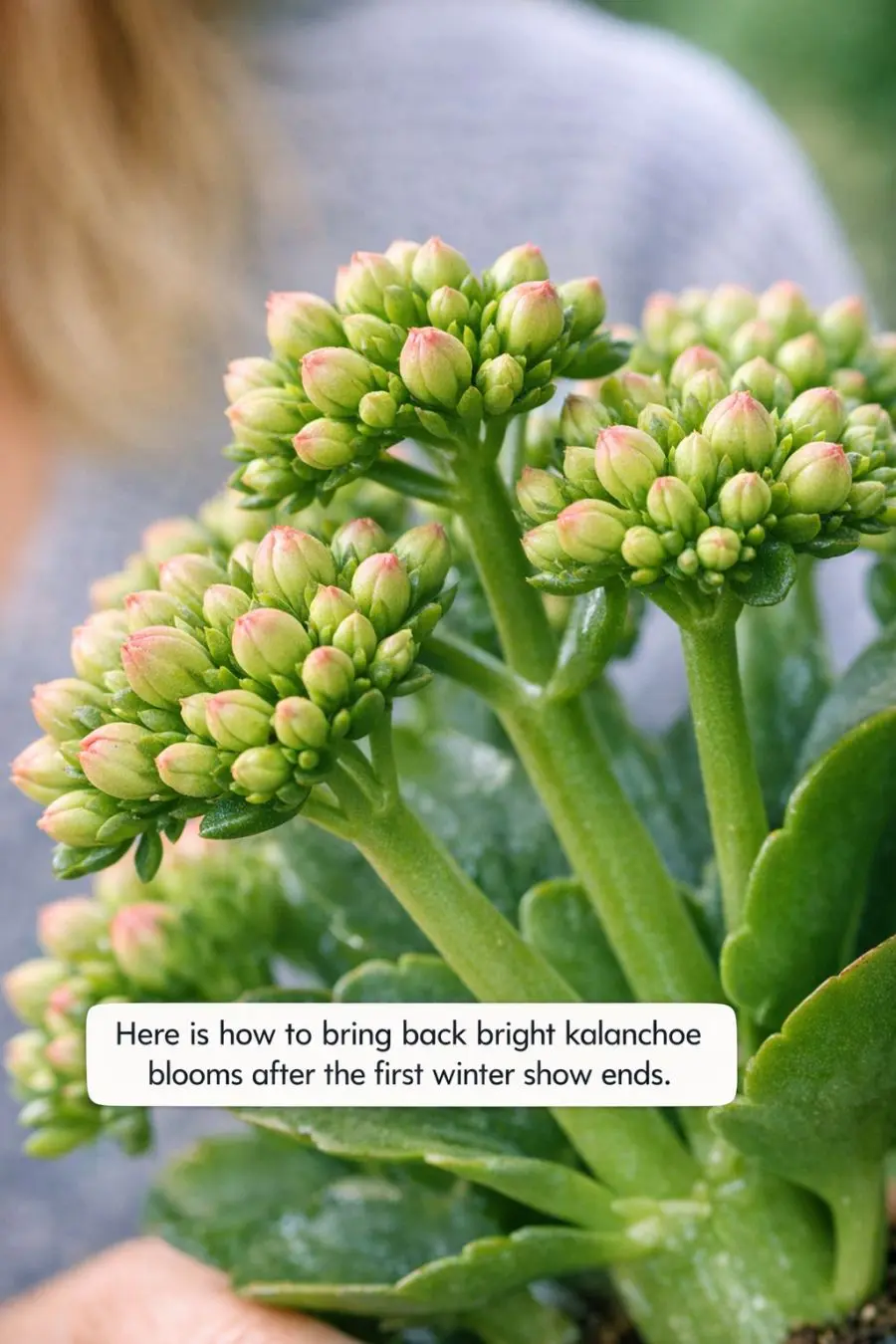
Kalanchoe plants are a favorite among indoor gardeners for their vibrant, long-lasting blooms that can brighten up any space. However, after the first winter bloom, many gardeners find themselves puzzled as to why their kalanchoe has stopped flowering. Understanding the needs of this tropical succulent is key to ensuring it continues to produce its signature bright blooms year after year.
In this article, we’ll explore the reasons why kalanchoe might stop blooming after its first winter show and provide you with a comprehensive guide on how to bring back those bright blooms. From understanding the plant’s natural cycle to adjusting light and watering routines, we’ll cover everything you need to know to get your kalanchoe thriving once again.
1. Understand Why Kalanchoe Stops Blooming After Winter
Kalanchoe is a short-day plant, meaning it naturally blooms when the days are shorter and the nights are longer. This is why you often see kalanchoe bursting into bloom in the winter months. After this period, as days lengthen, the plant undergoes a resting phase, which is a natural part of its growth cycle.
Additionally, indoor conditions can inadvertently disrupt this cycle. Artificial lighting and consistent temperatures can confuse the plant, making it think it’s perpetually in a growing season, thus delaying or preventing reblooming. Understanding this natural rhythm is crucial for encouraging future blooms.
2. Reset the Plant With a Post-Bloom Clean-Up
Once the blooms have faded, it’s time for a thorough clean-up to reset the plant. Begin by removing any dead flowers and leaves, which can encourage disease if left on the plant. Use sharp, sterilized scissors to make clean cuts, avoiding damage to healthy parts of the plant.
Also, assess the overall health of the plant. Look for signs of pests or disease and address these issues promptly. This post-bloom maintenance not only tidies up the plant but also prepares it for the next growth phase.
3. Master the Critical Light Trick: 14 Hours of Darkness
To stimulate reblooming, kalanchoe requires a period of prolonged darkness each day. Providing at least 14 hours of uninterrupted darkness can mimic the short-day conditions that trigger blooming. This can be achieved by placing the plant in a dark closet or covering it with a box from early evening until morning.
Consistency is key. Maintain this routine for at least 6 weeks to encourage the plant to set buds. Once buds begin to form, you can gradually return the plant to its normal light conditions.
4. Time Your Bloom Cycle for Spring and Summer Color
Planning your kalanchoe’s bloom cycle can ensure a continuous display of flowers throughout the year. By starting the dark treatment in late winter or early spring, you can time the blooms to coincide with the longer days of spring and summer.
By understanding its natural timing and manipulating light exposure, you can enjoy your kalanchoe’s blooms when other garden flowers are in full swing, creating a vibrant indoor-outdoor floral display.
5. Fine-Tune Indoor Light Levels for Compact, Flower-Heavy Growth
Kalanchoe thrives with bright, indirect sunlight. Too much direct sun can scorch the leaves, while too little light can result in leggy growth and sparse blooms. Aim to provide your plant with 6 to 8 hours of bright, indirect light each day.
If your plant is stretching towards the light, consider supplementing with a grow light. Position the light about 12 inches above the plant to mimic natural sunlight and encourage robust, flower-heavy growth.
6. Use the Right Watering Rhythm to Avoid Bud Drop
Kalanchoe is susceptible to overwatering, which can lead to root rot and bud drop. Allow the top 1 to 2 inches of soil to dry out between waterings. When you do water, ensure the entire root ball is moist but not waterlogged.
During its blooming phase, the plant might need more frequent watering, but always check soil moisture first. Remember, it’s better to underwater kalanchoe slightly than to overwater.
7. Feed for Flowers, Not Just Foliage
Fertilizing your kalanchoe can support blooming, but it’s essential to use the right type of fertilizer. Choose a balanced, water-soluble fertilizer with equal parts nitrogen, phosphorus, and potassium, or one slightly higher in phosphorus to promote blooms.
Feed the plant every 4 to 6 weeks during the growing season, but reduce feeding during the dormant period. Over-fertilizing can burn the roots and inhibit blooming, so always follow the recommended dosage on the fertilizer label.
8. Repot Strategically to Spark New Blooms
Kalanchoe benefits from being repotted every 2 to 3 years, or when it becomes root-bound. Choose a pot that is only slightly larger than the current one to avoid excessive soil, which can retain too much moisture.
Use a well-draining cactus or succulent mix to prevent waterlogging. Repotting can invigorate the plant, encouraging new growth and setting the stage for more blooms.
9. Prune and Pinch for Bushier Plants and More Flower Stems
Regular pruning and pinching back can encourage a fuller, bushier plant with more stems for flowers. After blooms fade, trim back any leggy growth to promote branching.
Pinch off the tips of new growth to encourage side shoots. This not only helps maintain a compact shape but also increases the number of blooming sites, resulting in a more prolific display of flowers.
10. Control Temperature and Drafts to Protect Developing Buds
Kalanchoe prefers temperatures between 60 and 85 degrees Fahrenheit. Cooler temperatures can delay blooming, while temperatures above 85 degrees can cause bud drop.
Avoid placing the plant near drafts from windows or air vents, as sudden temperature changes can stress the plant and affect blooming. Consistent conditions will support healthy bud development and flowering.
11. Viral Hack: The Closet-and-Box Method for Reliable Reblooming
The closet-and-box method has gained popularity for its effectiveness in encouraging kalanchoe to rebloom. Simply place the plant in a dark closet or cover it with a cardboard box for 14 hours each night.
This hack takes advantage of the plant’s natural short-day flowering response, making it a reliable method for inducing blooms. Just be sure to return the plant to bright light during the day to maintain its health.
12. Viral Hack: The “Office Plant” Schedule for Effortless Flower Cycles
Another popular hack is to treat your kalanchoe like an office plant, which naturally experiences shorter daylight exposure. Place the plant in a room that gets natural light during work hours, and turn off the lights when you leave.
This simple routine can create the necessary dark period for the plant to set buds, making it an effortless way to manage its bloom cycle without the need for a dedicated dark space.
13. Troubleshooting: Common Reblooming Problems and Quick Fixes
If your kalanchoe isn’t reblooming, consider common issues such as insufficient light, inconsistent darkness periods, or improper watering. Assess the plant’s environment and adjust as needed.
Pests like aphids or mealybugs can also hinder blooming. Inspect the plant regularly and treat infestations promptly. With careful attention and adjustments, most reblooming issues can be resolved, allowing your kalanchoe to flourish once again.
