In the world of gardening and landscaping, potting soil bags are a ubiquitous presence. They serve their primary purpose diligently, holding nutrient-rich soil that nourishes our plants. Yet, once emptied, these bags often end up discarded, contributing to landfill waste. However, with a bit of creativity and resourcefulness, these empty bags can be repurposed into useful items, extending their life and reducing environmental impact.
Many people are unaware of the versatility of potting soil bags once they are empty. Their durability and resilience make them ideal candidates for various DIY projects. In this article, we will explore ten unexpected and practical ways to reuse these bags, proving that what might seem like waste can actually be a valuable resource.
1. Turn Empty Bags Into Durable Garden Waste Sacks
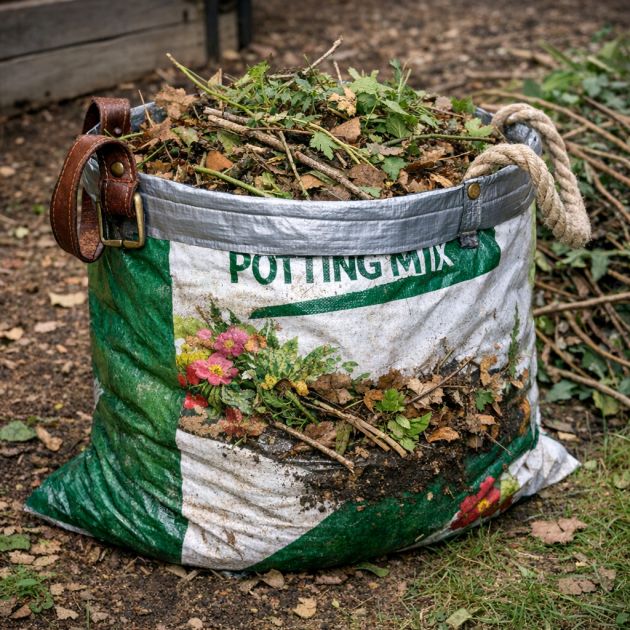
Empty potting soil bags can easily be repurposed into garden waste sacks. These bags are typically made from strong materials like polyethylene, which makes them perfect for collecting garden debris such as leaves, weeds, and small branches. Simply rinse out any remaining soil from the bag, and it’s ready to use.
To enhance durability, you can fold over the top of the bag by about 2 inches and secure it with duct tape. This reinforces the opening and prevents tearing when the bag is full. With handles fashioned from old belts or sturdy rope, you can carry your garden waste with ease. These makeshift garden sacks can hold up to 50 pounds, making them a robust and environmentally friendly alternative to single-use garbage bags.
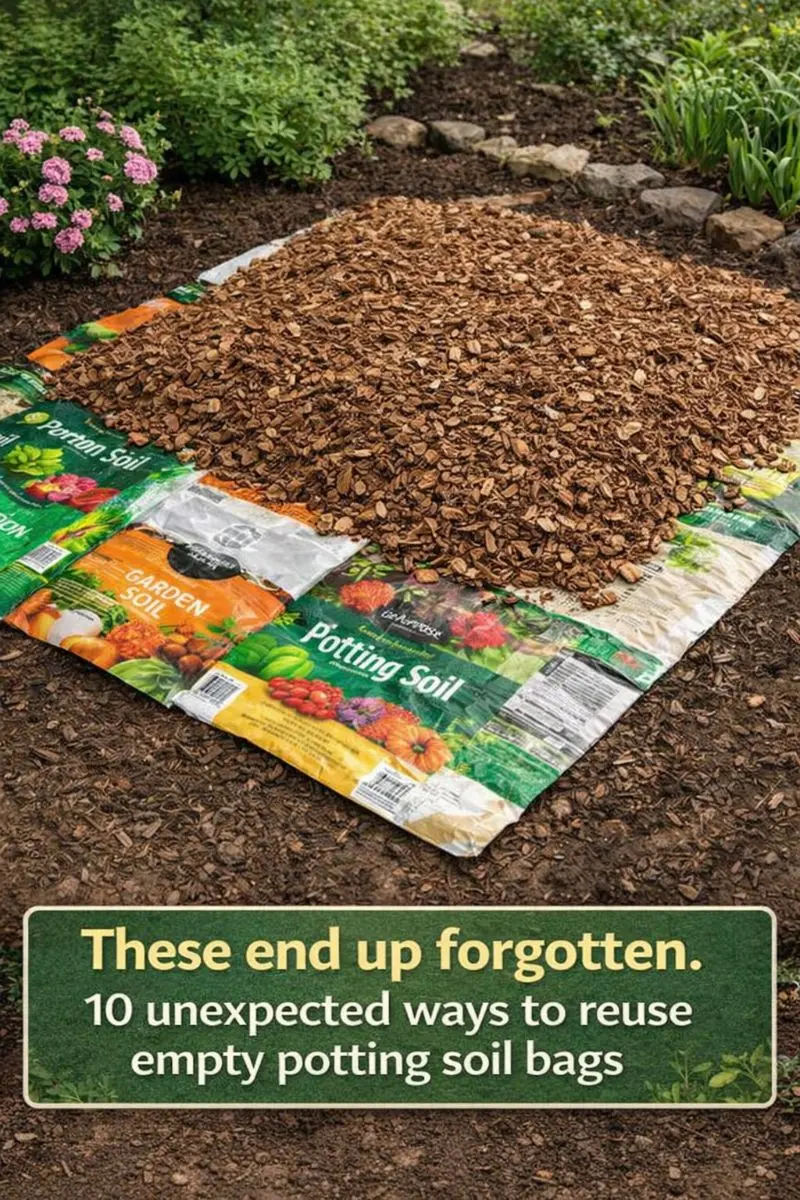
2. Upcycle Into Weed-Blocking Ground Covers

A practical use for old potting soil bags is as weed-blocking ground covers in your garden or landscaping projects. By cutting the bags open and flattening them, you can create a durable layer to suppress weeds. Lay these sheets down on flower beds or vegetable gardens before adding mulch or gravel on top.
The thick plastic material of the bags is excellent at blocking sunlight, preventing weeds from sprouting. This method not only saves money on commercial weed barriers but also helps to recycle materials that would otherwise be wasted. Cut the bags to fit your specific garden dimensions, and overlap the edges for maximum coverage.
3. Make DIY Grow Bags for Herbs and Veggies
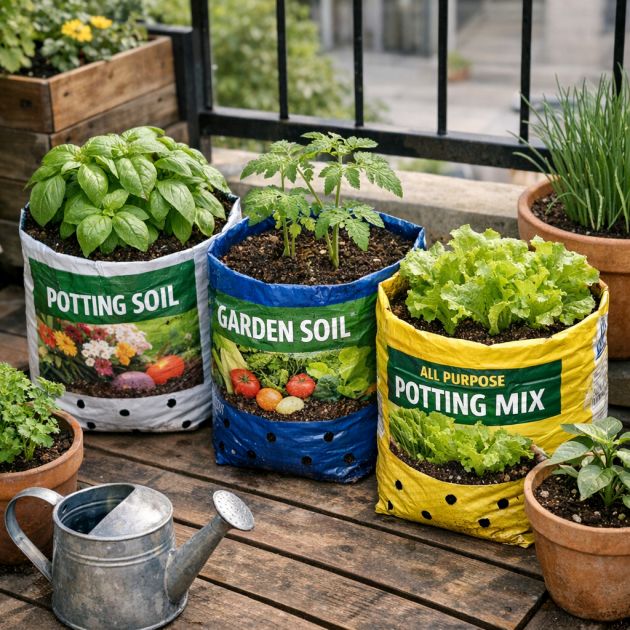
Transforming empty potting soil bags into DIY grow bags is a smart way to cultivate herbs and vegetables, especially if space is limited. Begin by cutting the bag to your desired height, usually about 12 to 18 inches tall. Poke several drainage holes in the bottom using a sharp object.
Fill the bag with a mix of compost and fresh soil, then plant your seeds or seedlings. The bags are flexible and can be easily moved to capture optimal sunlight. This approach is ideal for balconies and small patios, where traditional garden plots aren’t feasible. Additionally, the bags’ breathable material helps maintain ideal moisture levels, promoting healthy plant growth.
4. Craft Weatherproof Storage for Firewood and Tools
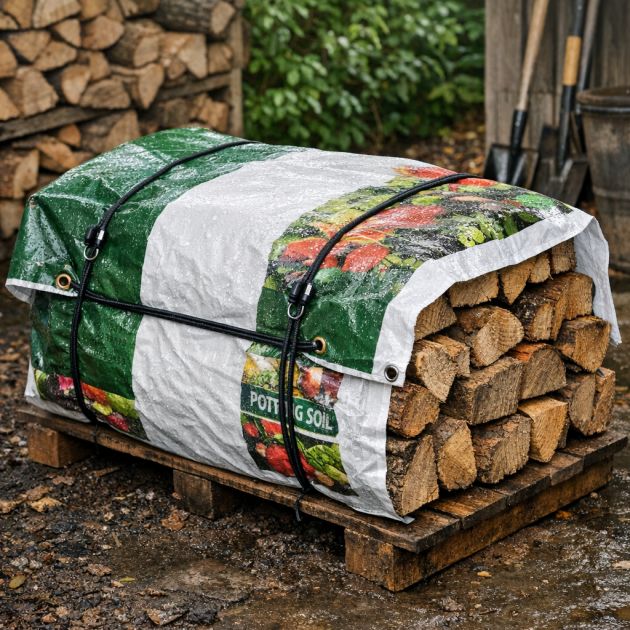
Empty potting soil bags can be adapted into weatherproof storage solutions for firewood and garden tools. The bags’ durable and waterproof material makes them ideal for protecting items from rain and moisture. Simply cut the bags to size and use them as covers or liners for outdoor storage bins.
For firewood, you can create a makeshift sling by cutting the bag along two sides to form a flat sheet. Wrap the sheet around your stack of wood and secure it with bungee cords or rope. This keeps your firewood dry and ready for use, even in inclement weather.
5. Create Portable Tarps for Messy Yard Projects
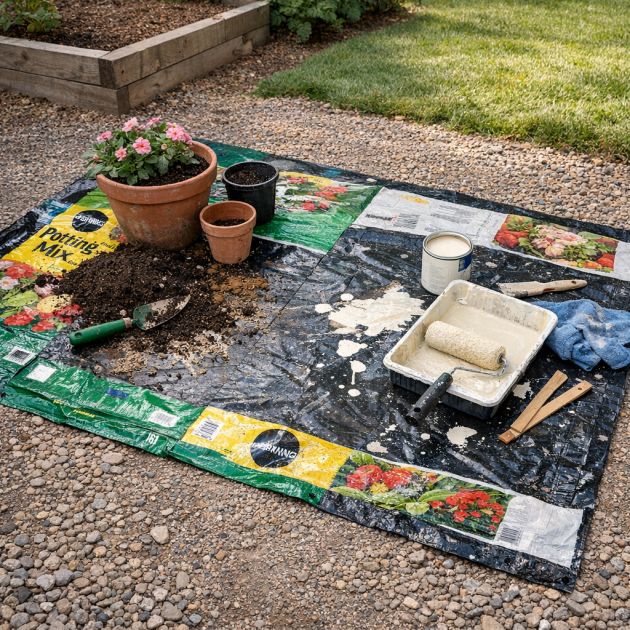
Potting soil bags can be converted into handy portable tarps for various messy yard projects. By cutting the bags open to form large sheets, you can use them as ground covers when potting plants, painting, or doing other DIY tasks. These tarps catch debris and spills, keeping your workspace clean.
The sturdy material of the bags is resistant to tearing and can handle rough surfaces, like gravel or concrete. When you’re done, simply shake off the debris and fold the tarp for future use. This repurposing not only saves money but also minimizes waste.
6. Sew or Tape Them Into Heavy-Duty Reusable Shopping Bags
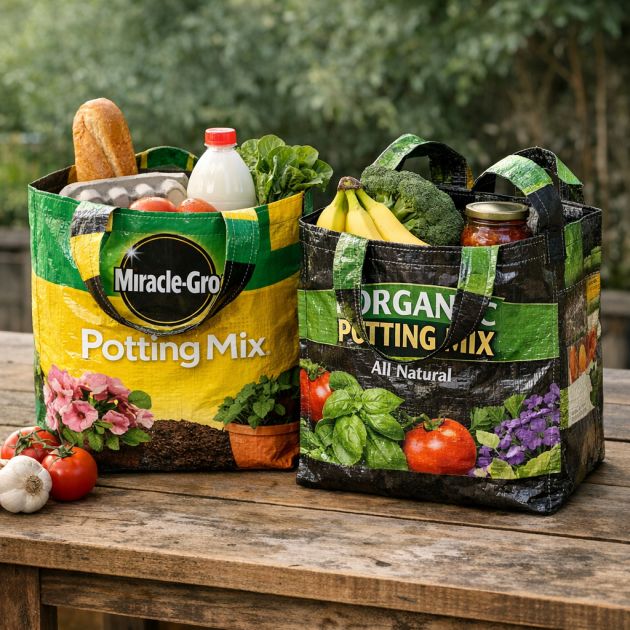
With some basic sewing skills or a strong adhesive like duct tape, you can transform empty potting soil bags into heavy-duty reusable shopping bags. Cut the bag to your desired size, and use additional sections to create sturdy handles.
The thick plastic material is ideal for carrying heavy groceries and is easy to clean. Just wipe down the bag with a damp cloth if it gets dirty. These DIY shopping bags are not only cost-effective but also contribute to reducing single-use plastic bag consumption.
7. Line Car Trunks, Pet Areas, and Mudrooms
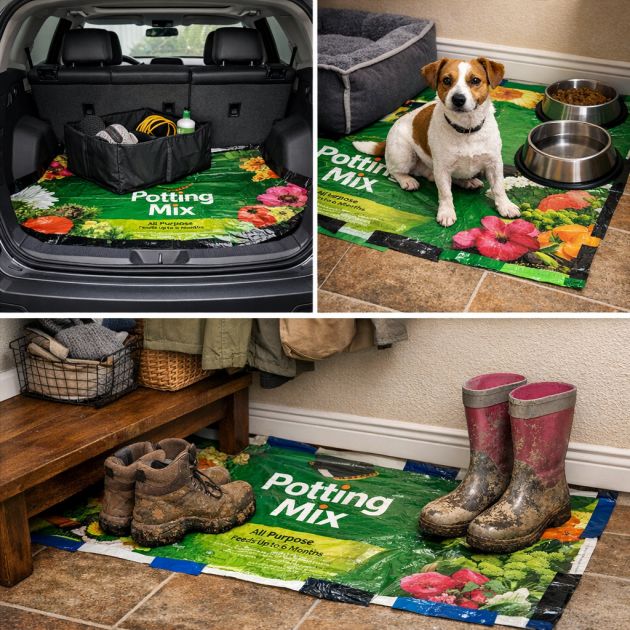
Use empty potting soil bags to line the trunk of your car, pet areas, or mudrooms. The bags’ waterproof nature makes them perfect for protecting surfaces from dirt, moisture, and spills.
Cut the bags to fit the desired area, and secure them in place with tape or clips. In pet areas, they can act as a barrier against accidents, while in mudrooms, they catch dirt and grime from shoes. This practical use helps keep spaces clean and reduces cleanup time.
8. Build Moisture-Resistant Cushion and Seat Covers
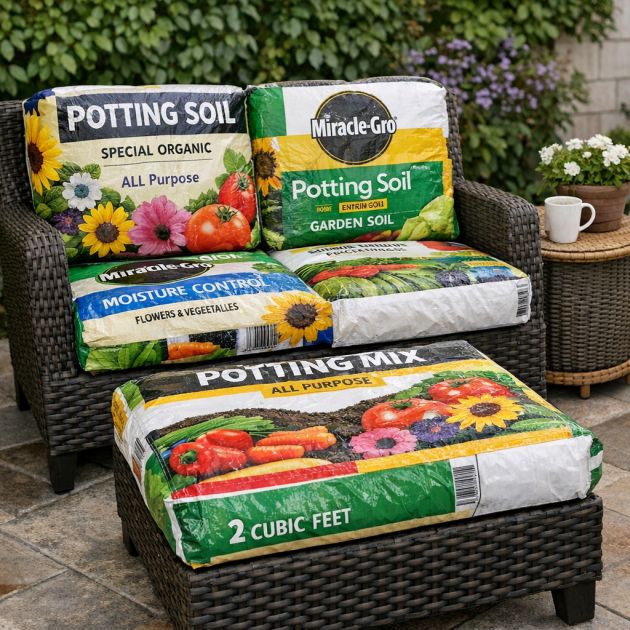
Repurpose empty potting soil bags into moisture-resistant cushion and seat covers for outdoor furniture. Cut the bags to fit your cushions, leaving extra material for seams, and sew or tape them together.
The bags’ waterproof properties protect cushions from rain and spills, extending their lifespan. These covers can easily be removed and cleaned, making them a practical addition to any outdoor seating area. Not only do you save money on commercial covers, but you also contribute to reducing waste.
9. Fashion Protective Covers for Outdoor Furniture and Grills
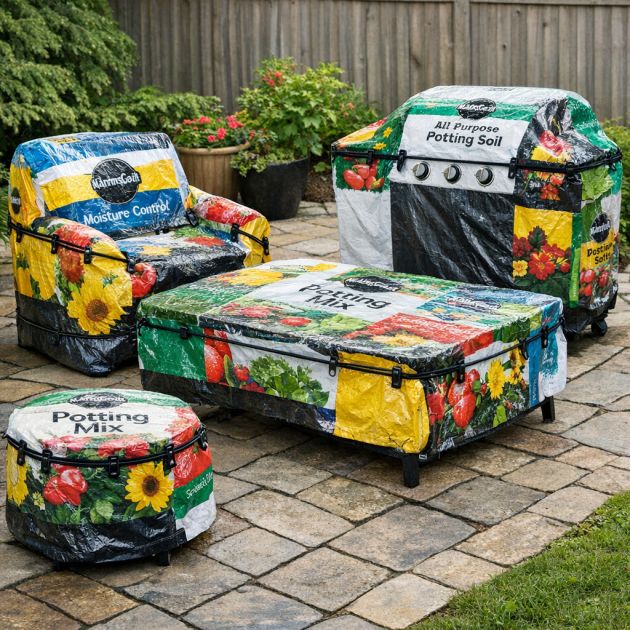
Protective covers for outdoor furniture and grills can be fashioned from empty potting soil bags. By cutting and shaping the bags to fit your items, you can create custom covers that shield against the elements.
Secure the covers with bungee cords or clips to ensure they stay in place during windy conditions. The durable plastic material of the bags offers excellent protection from rain, sun, and dust, keeping your outdoor investments in top condition year-round.
10. Use as Paint, Stain, and DIY Project Drop Cloths
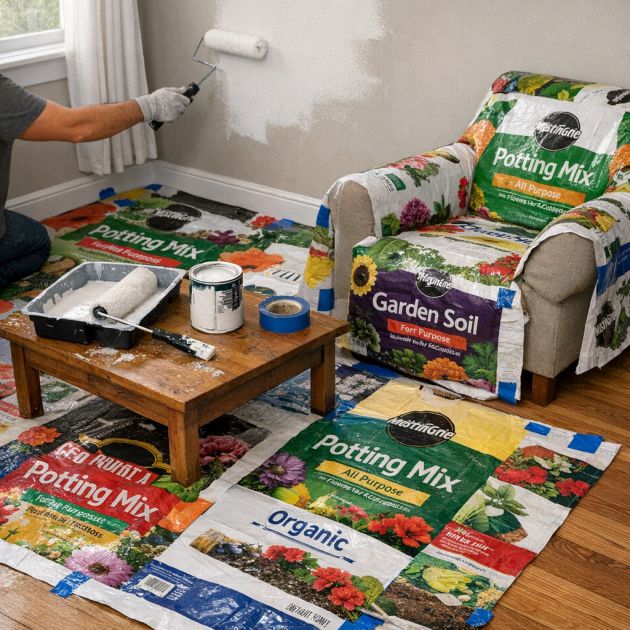
When undertaking paint, stain, or other DIY projects, empty potting soil bags can serve as effective drop cloths. Cut the bags open to create large sheets, and lay them flat over floors or furniture to protect surfaces from drips and spills.
The bags are lightweight and easy to maneuver, making them ideal for covering awkward or delicate areas. Once your project is complete, simply fold the bags and store them for future use. This approach not only saves money but also ensures that your work area remains clean and tidy.
