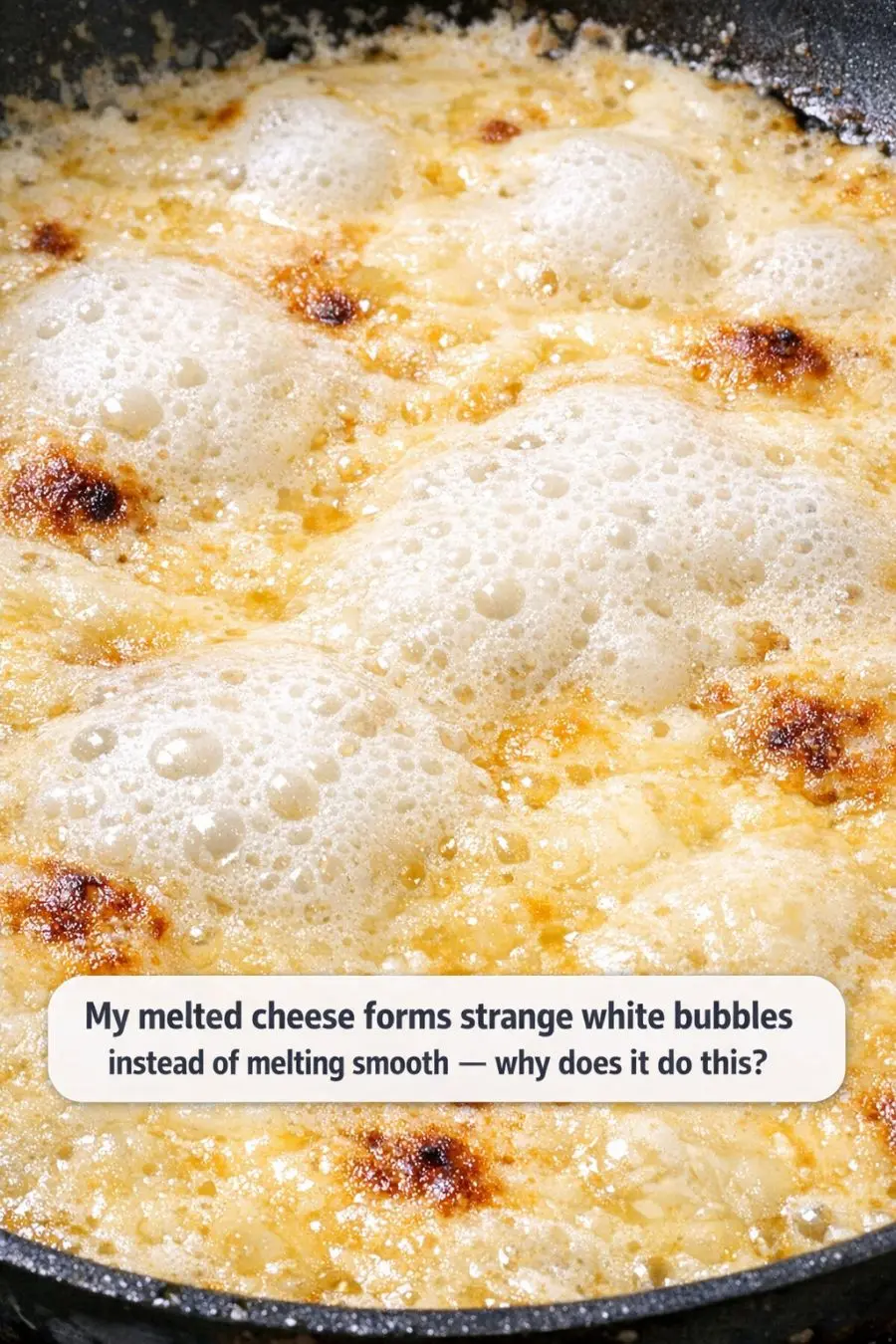
Cheese is a beloved ingredient in many culinary dishes, celebrated for its ability to transform into a gooey, luscious topping when melted. However, not all cheese behaves the same way under heat. If you’ve ever attempted to melt cheese for a perfect grilled cheese or a creamy fondue, only to find it forming strange white bubbles instead of a smooth, velvety finish, you’re not alone. This curious phenomenon can be frustrating for both novice cooks and seasoned chefs alike.
Understanding why cheese behaves this way requires a closer look at its composition and the factors that influence its melting properties. From the type of cheese you’re using to the method of heating, several variables come into play. In this article, we’ll delve into the science behind cheese melting, explore the common mistakes that lead to undesirable results, and offer tips to achieve the perfect melt every time.
1. What Those Strange White Bubbles Actually Are
The appearance of strange white bubbles on melting cheese is often a result of the separation of fat and protein. When cheese is heated, the fat can start to separate from the protein matrix, creating pockets of oil that manifest as bubbles on the surface. These bubbles are essentially pockets of steam trapped under a layer of oil, which occurs when moisture in the cheese turns to steam and tries to escape.
The size and number of these bubbles can vary depending on the type of cheese and its composition. For example, cheeses with higher fat content, such as cheddar or gouda, are more prone to this phenomenon. The bubbles can also be more prominent if the cheese is heated too quickly or unevenly, causing rapid steam formation and fat separation.
2. How Cheese Is Built: Fat, Protein, And Moisture
Cheese is a complex matrix composed primarily of fat, protein, and moisture. The balance of these components greatly influences how a cheese will melt. Fat contributes to the creamy texture and rich flavor, while proteins, primarily casein, form a network that holds the cheese together. Moisture, on the other hand, helps in the melting process by providing steam and aiding in the distribution of heat.
Different cheeses have varying proportions of these components. For instance, mozzarella has high moisture content, which allows it to melt smoothly and stretch beautifully. Meanwhile, hard cheeses like parmesan have less moisture and more concentrated proteins, which can lead to a less uniform melt. Understanding these differences is key to predicting how a cheese will behave when heated.
3. Why Some Cheeses Melt Smooth While Others Don’t
The melting behavior of cheese is largely determined by its moisture content, fat content, and the structure of its protein network. High-moisture cheeses like mozzarella and fontina melt smoothly because the water content helps to evenly distribute heat and prevent the proteins from clumping.
On the other hand, cheeses with low moisture content, such as parmesan or feta, tend to melt less uniformly. Their concentrated proteins can coagulate and form clumps, leading to a gritty or lumpy texture. Additionally, the aging process affects the protein structure, making older, drier cheeses more prone to separation when heated.
4. The Science Of Fat Separating From Proteins
When cheese melts, the heat causes the fat to become fluid and the protein matrix to relax. However, if the temperature is too high or the heat is applied too quickly, the fat can separate from the proteins. This separation is exacerbated by the presence of moisture, which turns to steam and can push the fat out of the protein network.
The separation of fat from proteins results in a greasy, bubbly appearance. This is particularly common in high-fat cheeses or when using excessive heat. The proteins, without sufficient moisture or emulsifiers to keep them bound, can clump together, further contributing to the uneven texture.
5. Heat Mistakes That Make Cheese Bubble And Break
One of the most common mistakes when melting cheese is using too high of a heat. High temperatures can cause the cheese to melt unevenly, leading to rapid steam production and fat separation. This not only results in the formation of bubbles but can also cause the cheese to break, becoming oily and gritty.
To avoid this, it’s important to melt cheese gradually over low to medium heat. Using a double boiler or adding a small amount of liquid, such as milk or cream, can help distribute the heat more evenly and prevent the cheese from overheating.
6. How Moisture Content Changes The Way Cheese Melts
Moisture content plays a crucial role in the melting properties of cheese. Cheeses with higher moisture content, like young gouda or fresh mozzarella, have a greater ability to melt smoothly because the moisture helps to disperse the heat and prevent the proteins from coagulating.
Conversely, cheeses with low moisture content, such as aged cheddar or pecorino, are more likely to become greasy and separate when melted. The lack of moisture means there is less steam to help distribute heat, leading to uneven melting. For these cheeses, incorporating a liquid or an emulsifier can aid in achieving a smoother melt.
7. The Role Of Emulsifiers And Stabilizers In Processed Cheese
Processed cheeses often contain emulsifiers and stabilizers, such as sodium citrate or sodium phosphate, which help maintain a smooth, consistent melt. These additives work by binding the fat and proteins, preventing them from separating when heated.
This is why processed cheese slices melt consistently and evenly, providing a reliable texture for grilled sandwiches or cheese sauces. The emulsifiers allow the cheese to withstand higher temperatures without breaking, making them a popular choice for recipes requiring smooth, creamy results.
8. Why Pre‑Shredded Cheese Behaves Differently In The Pan
Pre-shredded cheese is often coated with anti-caking agents like potato starch or cellulose to prevent clumping in the package. While convenient, these additives can affect how the cheese melts, sometimes leading to a drier, less smooth texture.
The anti-caking agents can hinder the cheese’s ability to melt uniformly, as they can absorb moisture and interfere with the heat distribution. For the best melting results, it’s often better to shred cheese fresh from a block, ensuring that no additional starches or fillers alter its natural melting properties.
9. Best Techniques For Melting Cheese Smoothly
To achieve a smooth melt, it’s important to start with the right cheese and use proper technique. Begin by grating the cheese to increase its surface area, allowing for more even heat distribution. Use low to medium heat to prevent the cheese from overheating and separating.
Adding a small amount of liquid, such as milk, cream, or even a splash of wine, can help maintain a smooth texture by keeping the proteins from clumping. Stirring continuously while melting also aids in evenly distributing the heat and preventing separation.
10. Smart Cheese Picks For Perfectly Gooey Melts
For the best melting experience, choose cheeses known for their excellent melting properties. Mozzarella, fontina, and young gouda are all excellent choices, thanks to their high moisture content and creamy texture.
If you’re making a cheese sauce or fondue, consider mixing in a bit of processed cheese or using a high-moisture cheese as a base. These options will provide a smooth, consistent melt, ensuring your dishes are deliciously gooey and satisfying.
