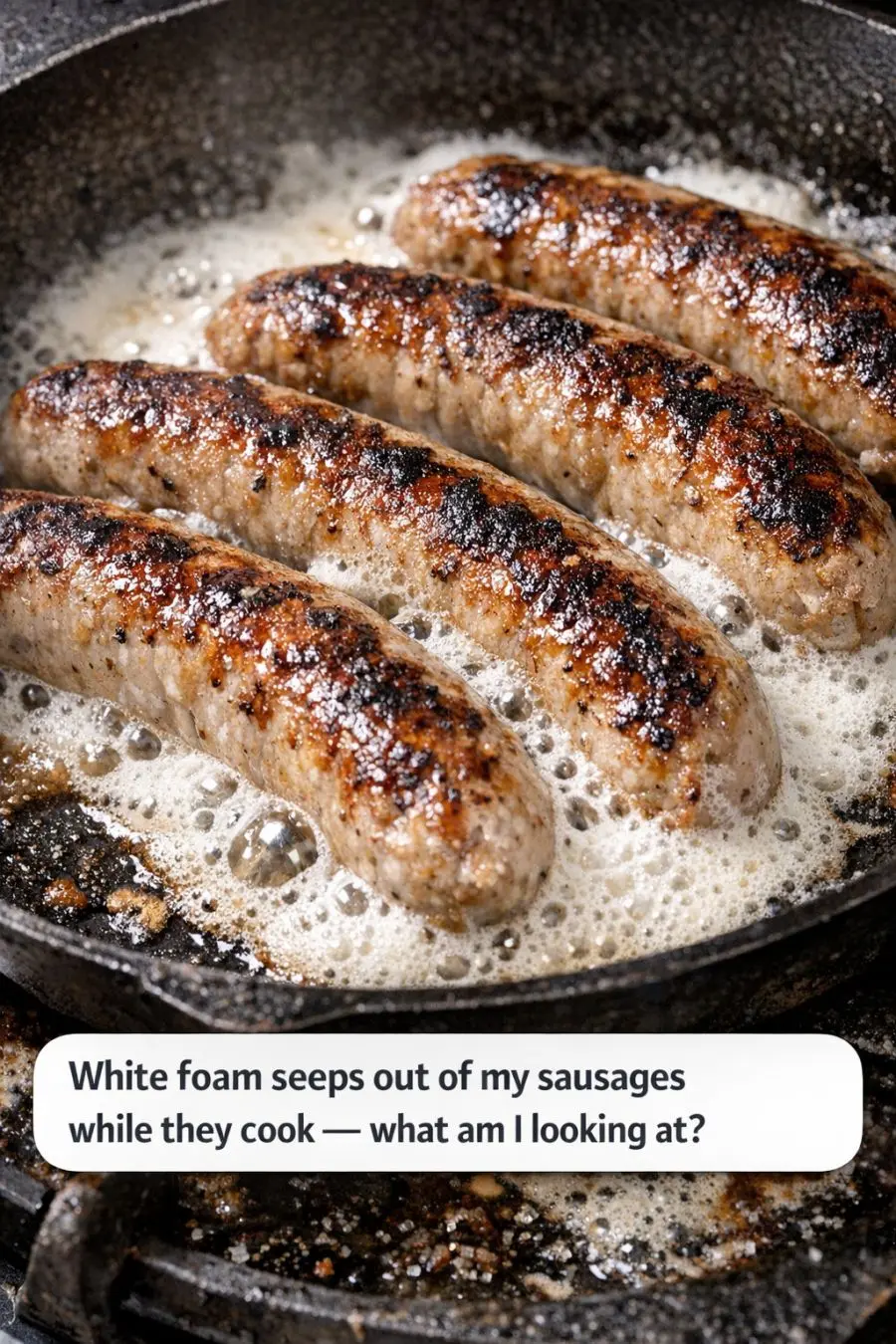
Cooking sausages can be a delightful experience, filling your kitchen with the savory aroma of sizzling meat. However, if you’ve ever noticed a strange white foam seeping out of your sausages while they cook, you might find yourself wondering what exactly is happening. Is this foam something to be concerned about, or is it just a normal part of the cooking process?
Understanding the science behind this culinary phenomenon can help demystify the process and reassure you about the safety and quality of your meal. In this article, we will explore what causes this white foam and what it might indicate about your sausages and cooking methods.
1. What Is The White Foam On My Sausages, Really?
The white foam you see on sausages is primarily composed of proteins and fat that are released from the meat as it cooks. When sausages are heated, the proteins denature and coagulate, sometimes escaping through the casing and forming a frothy layer on the surface. This foam is especially noticeable when the sausages are cooked at high temperatures.
Another component of the foam can be water that is stored within the sausage. Sausages typically contain a significant amount of water, sometimes up to 60% depending on the meat mixture and added ingredients. When cooking, this water is expelled, mixing with the proteins and fats to create the visible foam.
2. How Proteins And Fat Escape The Casing As Sausages Cook
As sausages cook, the proteins in the meat, such as myoglobin and collagen, begin to break down and coagulate. This process is accelerated by heat, which causes the proteins to shrink and squeeze out water and fat from the meat. The casing, often made from natural or synthetic materials, can become porous under heat, allowing these substances to seep out.
If the casing is not tightly packed or if it has small tears, more proteins and fats may escape, contributing to a larger amount of foam. The temperature at which you cook the sausages can also play a role. High temperatures can cause the exterior to cook too quickly, leading to increased pressure inside the sausage that forces more liquid out.
3. When White Foam Is Totally Normal (And Safe To Eat)
In most cases, the white foam is a normal part of cooking sausages and is safe to eat. The foam consists of natural proteins and fats that are part of the meat. These components are not harmful, and consuming them does not pose any health risks.
The presence of foam is often more pronounced when cooking sausages in water or on a stovetop, as opposed to grilling or baking. This is because the moisture and heat combination can encourage more liquid to escape. As long as your sausages are fresh and have been stored properly, the foam is nothing to worry about.
4. Signs The Foam Might Signal Low-Quality Meat Or Fillers
While some foaming is normal, excessive or unusually thick foam can sometimes indicate lower quality meat or the presence of fillers. Fillers such as breadcrumbs, starches, or soy may be added to sausages to increase bulk and reduce costs. These fillers can absorb water and release it during cooking, contributing to a foamy texture.
Another sign of lower quality meat is if the foam is accompanied by off colors or odors, indicating spoilage or the presence of preservatives. If you notice these signs, it might be worth checking the ingredients list or opting for sausages from a more reputable source.
5. Are My Cooking Methods Making The Foam Worse?
The way you cook your sausages can impact the amount of foam produced. Cooking sausages at too high a temperature can cause more proteins and fats to escape rapidly, leading to increased foaming. Consider reducing the heat or using a method that allows for even cooking, such as poaching or simmering before browning the sausages.
Another technique to reduce foaming is to prick the sausages lightly with a fork before cooking. This allows some of the steam and liquid to escape gradually, reducing the buildup of pressure inside the casing.
6. The Best Way To Cook Sausages To Reduce White Foam
To minimize white foam, consider cooking sausages using a two-step process: poaching and browning. Start by poaching the sausages in simmering water for about 10-15 minutes. This gentle cooking method allows the sausages to cook evenly inside without sudden temperature changes that cause excessive foaming.
After poaching, finish the sausages in a pan or on a grill to achieve a desirable brown and crispy exterior. This method helps reduce foam by allowing most of the water and proteins to escape during the initial poaching phase.
7. Fresh, Frozen, Or Pre-Cooked: Does Sausage Type Matter?
The type of sausage can influence the amount of foam that occurs during cooking. Fresh sausages tend to have more moisture content, which can lead to more foaming. Frozen sausages, if not properly defrosted, can also release additional water as they cook, increasing foam production.
Pre-cooked sausages typically have less moisture and are less likely to produce foam since they have already undergone some form of cooking. However, it’s still important to handle them properly to maintain quality and safety.
8. What Different Colors And Textures Can Tell You
The appearance of the foam can provide clues about the sausage’s composition and quality. A whitish, frothy foam is generally normal and indicates the presence of proteins and fat. However, if the foam has a greyish or off-color appearance, it may suggest spoilage or the presence of additives.
The texture of the foam can also be revealing. A light, airy foam is typical, while a thick, gummy texture might indicate excessive fillers or poor quality meat. Always trust your senses—if something seems off, it’s best to err on the side of caution.
9. When To Worry About Spoilage, Off Smells, Or Food Safety
If your sausages are accompanied by a strong, unpleasant odor or the foam has an unusual color, it could be a sign of spoilage. Sausages should have a fresh, meaty aroma, and any deviation from this could indicate that they have gone bad.
Food safety is paramount. If you suspect that your sausages are spoiled, do not taste them to confirm. Instead, dispose of them safely to avoid any risk of foodborne illness. Always check expiration dates and store sausages at the appropriate temperatures to ensure they remain safe to eat.
10. How Butchers And Chefs Minimize Leakage And Foam
Professional butchers and chefs often employ techniques to minimize leakage and foam during cooking. One common method is to ensure the meat mixture is well-processed and evenly distributed before stuffing into casings. This helps to reduce air pockets and create a more uniform product.
Another technique is to use high-quality casings that can withstand heat without becoming overly porous. Additionally, some chefs prefer to use a lower fat content in their sausage mix, which can reduce the amount of escaping fat and protein.
11. The Bottom Line On White Foam And Whether You Should Eat It
In most cases, the white foam that appears on sausages during cooking is a natural occurrence and is perfectly safe to consume. It is primarily composed of proteins and fats that are part of the meat itself. However, if the foam is accompanied by other signs of spoilage or poor quality, such as off colors or odors, it might be best to avoid eating it.
Ultimately, understanding what the foam represents can help you make informed decisions about the quality of your sausages and how best to prepare them. By using appropriate cooking methods and selecting high-quality products, you can enjoy delicious sausages with minimal fuss and worry.
