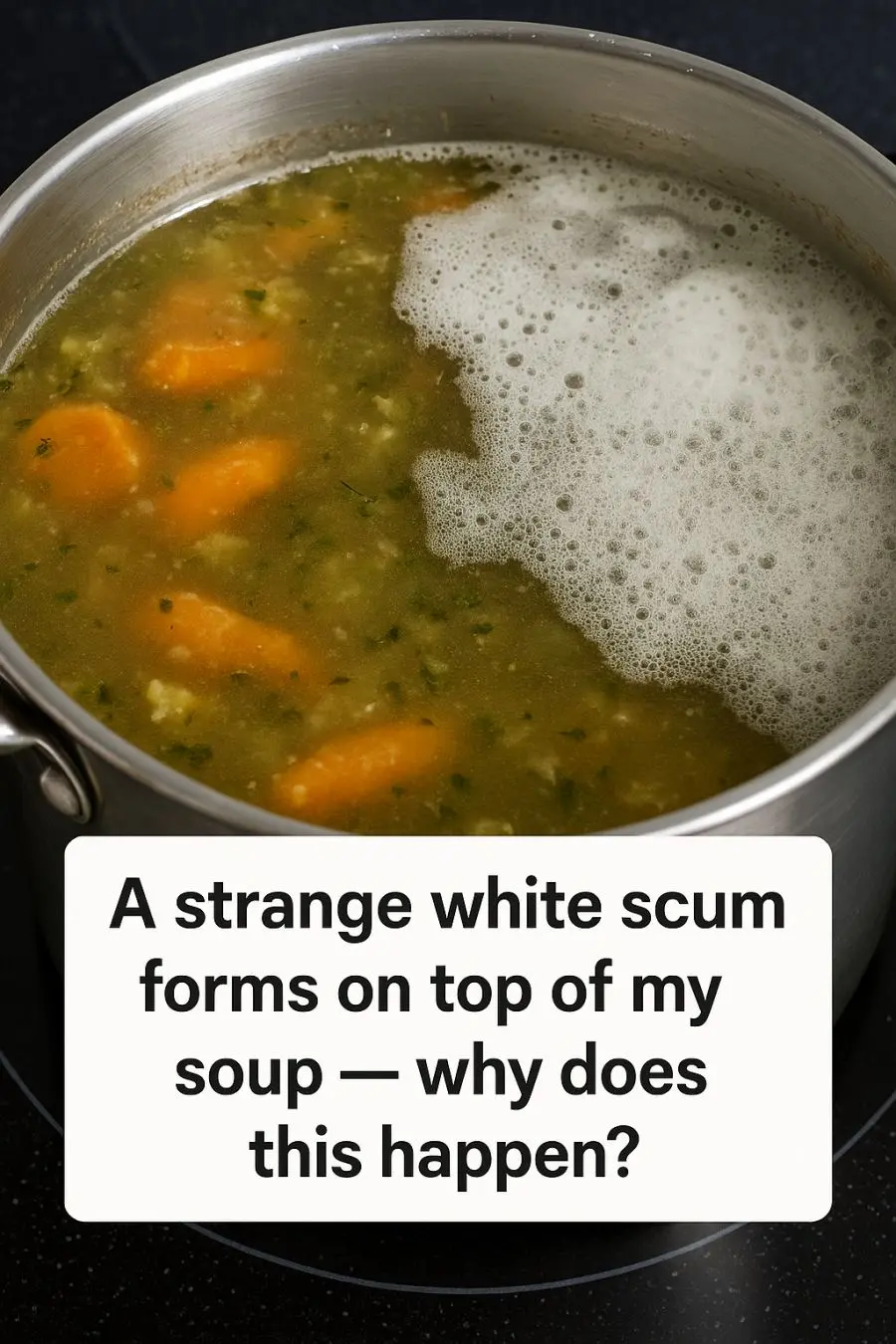
Soup is a beloved dish across cultures, known for its comforting warmth and versatility. Whether it’s a hearty chicken noodle or a delicate consommé, soup can be a culinary masterpiece. However, home cooks and chefs alike might encounter an unexpected phenomenon: a strange white scum forming on the surface. This occurrence, while common, can leave many wondering about its origins and implications.
Understanding what causes this white layer and how to manage it can enhance both the aesthetic and taste of your soups. While often harmless, this scum can affect the clarity and presentation, particularly for clear broths and consommés. In this article, we’ll delve into the various reasons behind the formation of this scum, and how you can address it in your cooking.
Why Soup Develops a White Scum on Top
The white scum that forms on soup is typically a result of proteins coagulating, impurities rising to the surface, and fat emulsions. Each soup ingredient and cooking method contributes differently to scum formation.
Additionally, the type of soup being prepared—whether it involves meat, fish, or vegetables—can influence the amount and appearance of scum. Understanding these factors is key to managing and minimizing the formation of this layer.
1. Coagulated Proteins Rising to the Surface
When you cook soup, especially those with meat or legumes, proteins are released and denatured by heat. These denatured proteins tend to coagulate and form a scum on the surface. For example, in a chicken soup, proteins from the chicken meat and bones will rise and form a layer of scum.
The coagulation process is more pronounced at higher temperatures, which is why gentler cooking methods can result in a clearer broth. This is particularly noticeable with proteins like albumin, which coagulate at relatively low temperatures.
2. Impurities and Bone Residue in Stocks and Broths
Stocks and broths often contain small bits of bone, cartilage, and other impurities. During cooking, these elements release particles that contribute to the scum on the surface.
Roasting bones before making stock can reduce the amount of impurities, as it helps to caramelize proteins and extract impurities beforehand. This can lead to a clearer broth from the outset.
3. The Role of Heat: Gentle Simmer vs. Rolling Boil
The intensity of heat applied during cooking plays a crucial role in scum formation. A rolling boil can agitate proteins and impurities, causing them to disperse throughout the liquid, which can make the soup cloudy.
In contrast, a gentle simmer allows proteins to rise slowly and coagulate at the surface, making them easier to skim off. Maintaining a temperature just below boiling—around 185°F (85°C)—is ideal for clear soups.
4. Fat, Emulsions, and Why the Surface Looks Cloudy
Fat from meat and other ingredients emulsifies in the soup during cooking, contributing to the cloudy appearance. This is especially true for soups with high-fat content like beef or lamb stews.
Emulsified fats can trap air and other particles, forming a cloudy layer. Skimming excess fat with a spoon or using a fat separator can help achieve a clearer soup.
5. Differences Between Meat, Fish, and Vegetable Soups
The type of soup you’re making significantly influences scum formation. Meat-based soups, especially those with bones, tend to produce more scum due to the high protein and fat content.
In contrast, fish soups can form scum quickly due to the delicate nature of fish proteins, which coagulate rapidly. Vegetable soups generally produce the least amount of scum, as they lack the proteins and fats found in animal products.
6. Is the White Scum Safe to Eat?
The white scum that forms on soup is generally safe to eat, as it primarily consists of coagulated proteins and impurities. However, it can have an unappealing texture and appearance.
For clearer soups, it’s advisable to skim off the scum during cooking. This improves both the visual appeal and the taste, as the scum can sometimes impart a slightly bitter flavor.
7. Classic Culinary Technique: Skimming for Clear, Refined Broth
Skimming is an essential technique in classic cooking to achieve a clear and refined broth. Using a fine mesh skimmer or a spoon, gently remove the scum as it forms on the surface.
Regular skimming, especially in the initial stages of cooking, prevents the scum from breaking down and clouding the broth. This technique is particularly important for consommés and other clear soups.
8. How Salt, Acids, and Seasonings Affect Scum Formation
Salt and acids like vinegar or lemon juice can influence the coagulation of proteins and the formation of scum. Salt can denature proteins, making them more likely to coagulate and form scum.
Acids can alter the pH of the soup, affecting protein solubility. Adding these seasonings early in the cooking process can enhance the clarity of the broth by encouraging proteins to coagulate and rise to the surface.
9. Popular Viral Hacks for Preventing or Reducing Scum
Various hacks have gained popularity for reducing or preventing scum formation. One such method involves blanching bones or meat before making the soup, which can help remove impurities and excess proteins.
Another hack is to use ice cubes wrapped in a cheesecloth and run them over the surface to solidify fats and scum, making them easier to remove. While these methods can be effective, traditional skimming remains a reliable approach.
10. When White Scum Signals Spoilage or Contamination
While the white scum is usually harmless, there are times when it could indicate spoilage or contamination. If the soup has an off smell, unusual color, or has been improperly stored, the scum might be a sign of bacterial growth.
In such cases, it’s important to discard the soup to avoid potential foodborne illnesses. Always ensure that soups are stored at appropriate temperatures and reheated thoroughly before consumption.
11. How to Make Cleaner, Clearer Soup From the Start
To make a clearer soup from the start, begin by using high-quality ingredients. Roasting bones and vegetables before making stock can enhance flavor and reduce impurities.
Maintain a gentle simmer and regularly skim the surface to keep the broth clear. Additionally, once the soup is cooked, straining it through a fine mesh sieve or cheesecloth can remove any remaining particles, resulting in a pristine, clear soup.
