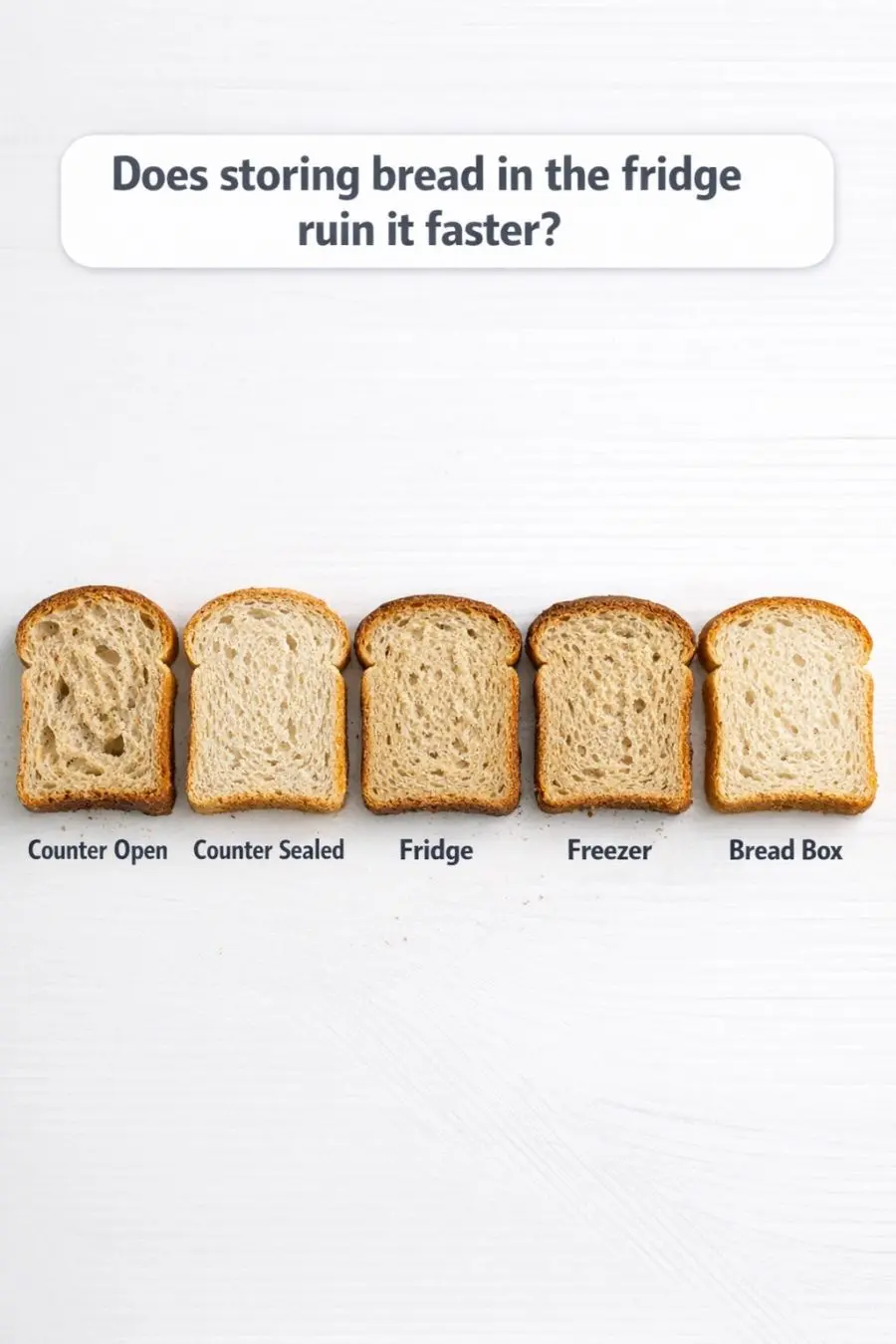
Bread is one of the most beloved staples in diets around the world, known for its versatility and comforting nature. However, when it comes to storing bread, opinions often diverge. A common debate persists over whether the refrigerator is a suitable place for keeping bread fresh, or if it accelerates its decline into staleness. Understanding the science behind bread storage can help us make informed decisions on how to best enjoy our loaves for as long as possible.
This article delves into the factors that influence bread’s shelf life, examining scientific principles, practical storage solutions, and even testing viral hacks. By analyzing various methods, from refrigeration to traditional bread boxes, we aim to provide a comprehensive guide on keeping your bread fresh and flavorful. So, does storing bread in the fridge ruin it faster? Let’s explore the evidence.
1. Why Bread Goes Stale: The Science of Starch Retrogradation
Staling is a process primarily driven by starch retrogradation, where starch molecules in bread re-crystallize after baking, leading to a hardening of the crumb. This process begins almost immediately after bread is removed from the oven and can be influenced by temperature and humidity. Studies have shown that starch retrogradation occurs most rapidly at temperatures just above freezing, around 0-4°C (32-39°F), which coincidentally is the typical temperature range of a refrigerator.
This crystallization results in a firm, dry texture as water migrates out of the starch granules. Although this process happens in all breads over time, cooler temperatures accelerate it, causing the bread to stale faster when stored in the fridge compared to room temperature. The moisture loss and crumb firmness are measurable, with bread losing its softness significantly within days when stored in cold conditions.
2. What Actually Happens to Bread in the Fridge
When bread is placed in the refrigerator, the cold temperature causes the starch molecules to re-crystallize more quickly, leading to a firm and dry texture. This is why bread stored in the fridge often feels harder and less palatable than bread kept at room temperature.
Additionally, the low humidity environment inside most refrigerators contributes to the drying out process. Bread can lose moisture content more rapidly in the fridge, resulting in a crumbly texture. While refrigeration might slow down mold growth due to the cooler environment, the trade-off is often a quicker onset of staleness and dryness.
3. Counter Uncovered: Fast Flavor, Faster Decline
Leaving bread uncovered on the counter exposes it to air, which can quickly lead to moisture loss and staling. Within a day or two, bread left out in the open will start to harden as the moisture evaporates and the starches recrystallize.
The speed of this process can vary depending on the ambient humidity and temperature. In dry climates, bread may become stale faster, while in more humid environments, it might retain moisture a bit longer. However, uncovered storage is generally not recommended for maintaining bread freshness.
4. Counter Sealed: Does a Bag Really Keep Bread Fresher?
Storing bread in a sealed plastic bag on the counter can help retain moisture and delay staling. The bag acts as a barrier to prevent the evaporation of water from the bread, maintaining its soft texture for a longer period.
However, sealing bread in plastic can also create a humid environment that encourages mold growth, especially if the bread is not consumed within a few days. Using a paper bag can be a compromise, allowing some moisture retention while providing ventilation to reduce mold risk.
5. Bread Box Basics: Old-School Tool, Modern Test
Bread boxes offer a traditional storage solution that balances moisture retention with airflow. By allowing a small amount of air circulation, bread boxes help keep the crust from becoming too soggy while maintaining the crumb’s moisture.
Modern tests have shown that bread stored in a bread box can remain fresh for several days longer than uncovered bread, with a texture that is often preferable to bread stored in the fridge. The box’s environment is more stable in terms of temperature and humidity, which helps slow down both staling and mold growth.
6. Freezer Storage: The Gold Standard for Long-Term Freshness
For long-term storage, freezing bread is widely regarded as the best method. Freezing halts the staling process by stopping starch retrogradation and preserving the bread’s moisture content. When properly sealed in an airtight bag or container, bread can be stored in the freezer for weeks or even months without significant quality loss.
To enjoy frozen bread, it should be thawed at room temperature or toasted directly from the freezer. This helps restore its soft, chewy texture and fresh taste, making freezing an excellent option for preserving bread over extended periods.
7. Fridge Sealed: Comparing Dryness, Chew, and Crumb
When bread is stored in the fridge, even if sealed, it tends to become dry and firm as the starch retrogradation process is accelerated. While sealing can help reduce moisture loss slightly, the cold environment still promotes a dense and less enjoyable crumb.
Comparing bread stored in the fridge to that kept at room temperature or in a bread box, the differences in texture and chew are often noticeable within a couple of days. Bread from the fridge may have a chewier crust and a drier crumb, lacking the softness and flavor of freshly baked bread.
8. Mold Versus Staling: Which Ruins Bread Faster?
Mold and staling are the two primary factors that determine the shelf life of bread. Mold growth is influenced by temperature and humidity, thriving in warm and moist conditions. Staling, on the other hand, is driven by starch retrogradation and moisture loss.
While refrigeration can slow mold growth, it accelerates staling, leading to a trade-off between freshness and spoilage. Bread stored at room temperature may mold faster but will retain its texture and flavor longer. The choice of storage method depends on how quickly the bread will be consumed and personal preference for freshness versus mold prevention.
9. Viral Storage Hacks Put to the Test
Recent viral hacks suggest unconventional methods for bread storage, such as wrapping bread in a damp cloth or using a terracotta bread warmer. While these hacks can offer temporary solutions, they often come with drawbacks.
For instance, wrapping bread in a damp cloth may keep it moist, but it also increases the likelihood of mold. Similarly, bread warmers can maintain temperature but may not prevent moisture loss effectively. Testing these hacks reveals that while some might work short-term, traditional methods like freezing or using a bread box remain more reliable.
10. Sliced Bread, Whole Loaves, and Specialty Breads Compared
Different types of bread can react differently to storage methods. Sliced bread typically stales faster than whole loaves due to the increased surface area exposed to air. Whole loaves can maintain their freshness longer, especially if stored in a bread box or sealed bag.
Specialty breads, such as those with added fats or sugars, may have a longer shelf life due to their ingredients. For instance, brioche or challah, which contain eggs and butter, tend to remain soft and flavorful longer than leaner breads like baguettes.
11. Time-Lapse Taste Test: Day-By-Day Changes Across All Methods
Conducting a time-lapse taste test of bread stored using different methods reveals distinct changes over time. Bread stored at room temperature in a sealed bag maintains its softness for about 3-4 days before significant staling occurs.
Bread in the fridge, however, shows noticeable dryness within 1-2 days, while bread in the freezer retains its initial quality when thawed. A bread box offers a middle ground, keeping bread fresh for around 4-5 days with a pleasant texture. These observations highlight the trade-offs between different storage techniques.
12. When (If Ever) the Fridge Makes Sense for Bread
There are situations where refrigerating bread might make sense, such as in particularly hot and humid climates where mold growth is a significant concern. In these cases, the fridge can help extend the bread’s shelf life by preventing spoilage, albeit at the cost of faster staling.
Additionally, for bread varieties that are intended to be toasted or used in cooking, the texture change from refrigeration might not be as noticeable or detrimental. Ultimately, choosing refrigeration depends on balancing the risks of mold against the desire for fresh-tasting bread.
13. The Final Verdict: Does Refrigeration Really Ruin Bread Faster?
After examining the evidence, it’s clear that refrigeration does accelerate the staling process of bread through starch retrogradation. While it can effectively prevent mold in highly humid environments, the trade-off is often a faster loss of freshness and texture.
For most people, storing bread at room temperature in a sealed container or using a bread box provides a better balance between freshness and mold prevention. For long-term storage, freezing remains the most effective method. In conclusion, unless mold is a significant issue, keeping bread out of the fridge is generally the best way to enjoy it at its freshest.
