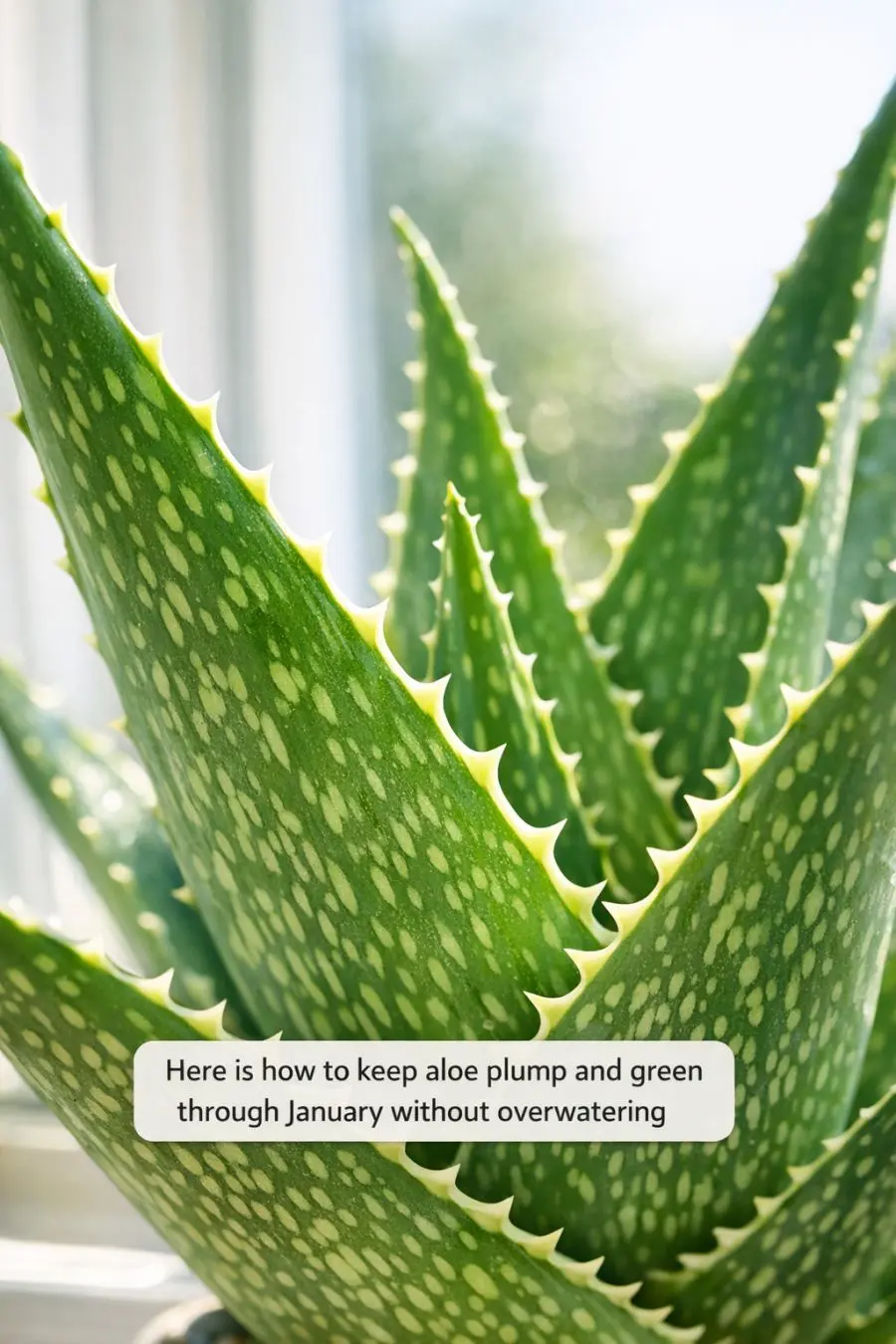
As winter approaches, keeping your aloe vera plant healthy and vibrant can become challenging. The cold months bring not only lower temperatures but also lower light levels and drier indoor air, all of which can impact your aloe’s well-being. It’s tempting to overwater in an attempt to compensate, but doing so often leads to root rot and other issues.
Understanding the specific needs of aloe vera during the colder months is key to maintaining its plump, green appearance. By adjusting your care routine to suit the winter season, you can ensure your aloe thrives. This guide will walk you through all the steps necessary to keep your aloe healthy through January without overwatering.
1. Understand How Aloe Actually Drinks Water
Aloe vera is a succulent, which means it stores water in its thick, fleshy leaves. Unlike many other houseplants, aloes are adapted to dry conditions and are highly efficient at conserving water.
Their roots are shallow and spread out laterally rather than deep into the soil. This design allows them to quickly absorb moisture from light rains in their native arid environments. When watering, aim to mimic these conditions by providing a thorough soak and then allowing the soil to dry out completely before the next watering.
2. Pick a Winter-Safe Pot and Soil Mix
Choosing the right pot and soil mix is crucial for aloe vera care in winter. Use a pot with drainage holes to prevent water from sitting at the bottom and causing root rot. Terracotta pots are ideal because they are porous and help wick moisture away from the soil.
As for soil, a well-draining mix is essential. You can create your own by combining two parts potting soil with one part perlite or coarse sand. This mix ensures that excess water drains quickly and doesn’t stay around the roots longer than necessary.
3. Use the Finger-and-Toothpick Test Before Every Watering
Before watering your aloe, perform the finger-and-toothpick test to gauge soil moisture. Insert your finger about an inch into the soil. If it feels dry, it’s time to water. For a more precise check, use a toothpick: stick it into the soil and if it comes out clean, the soil is dry; if soil clings to it, it’s still moist.
This simple test helps avoid overwatering by ensuring the plant only receives water when it truly needs it. Consistently using this method can prevent root rot and keep your aloe healthy.
4. Follow the Once-a-Month (or Less) Winter Watering Rule
In winter, aloe vera requires significantly less water than during the growing season. A general rule of thumb is to water once a month, or even less frequently, depending on your indoor climate conditions.
Adjust your schedule based on the results of the finger-and-toothpick test. Remember, it’s better to underwater than overwater during these months. Aloe is quite resilient to drought, but overwatering can rapidly lead to root issues.
5. Master Bottom-Watering Without Soaking the Roots
Bottom-watering can be an effective way to hydrate your aloe without over-soaking its roots. Place the pot in a shallow tray of water for about 10 minutes, allowing the soil to draw moisture upwards through the drainage holes.
This method ensures that water is absorbed at a controlled rate, reducing the risk of waterlogged soil. After bottom-watering, allow any excess water to drain away completely before returning the plant to its usual spot.
6. Give Aloe All the Light, Not All the Water
Aloes need bright, indirect light to thrive, especially in winter when daylight hours are limited. Place your aloe near a south or west-facing window to maximize light exposure.
While light is crucial, try not to compensate for low light with more water. Instead, consider supplementing natural light with a grow light if necessary. This approach will support photosynthesis without increasing the risk of overwatering.
7. Keep It Cozy: Temperature and Draft-Proofing Tricks
Aloes prefer temperatures between 55°F and 80°F. During winter, keep your aloe away from cold drafts, such as those near windows or doors. Similarly, avoid placing it too close to heat sources like radiators or fireplaces, which can dry out the plant.
Maintain a consistent room temperature and consider using a draft guard or repositioning your plant if necessary to protect it from temperature fluctuations.
8. Spot Early Stress Signals: Wrinkling vs. Rotting Leaves
Monitoring your aloe’s leaves can provide early warnings of stress. Wrinkling leaves often indicate a lack of water, while soft, mushy leaves suggest overwatering and potential root rot.
If you notice wrinkling, test the soil moisture and consider a light watering if the soil is dry. For mushy leaves, check the roots for rot and remove any damaged parts, adjusting your watering schedule accordingly.
9. Rotate, Elevate, and Separate: Simple Placement Hacks
Rotating your aloe every couple of weeks ensures even light exposure, preventing it from leaning towards the light source. Elevating the plant on a stand can improve air circulation around the pot, reducing the risk of fungal issues.
Additionally, avoid overcrowding your aloe with other plants. Adequate space allows for better airflow and reduces the likelihood of pest infestations.
10. Skip the Fertilizer and Repotting Until Spring
Aloes enter a dormant phase during winter, meaning they don’t require the nutrients provided by fertilizers. In fact, adding fertilizer at this time can stress the plant. Wait until spring to resume fertilizing.
Similarly, avoid repotting during winter unless absolutely necessary due to disease or pest issues. Repotting can disturb the plant’s roots and stress it further during its dormant period.
11. Viral TikTok Hacks That Actually Help (And Ones to Avoid)
Social media is full of plant care tips, but not all are beneficial. One helpful tip is using a humidity tray to increase moisture levels without overwatering. Simply place pebbles in a shallow tray, add water, and set the pot on top without the base touching water.
However, avoid hacks suggesting constant misting or keeping aloe in a sealed glass container, as these can trap humidity and encourage fungal growth.
12. How to Rescue a Shriveled or Mushy Aloe in Midwinter
If your aloe becomes shriveled, try increasing its light exposure and slightly upping watering frequency. For mushy, overwatered aloe, remove it from the pot and trim away any rotten roots.
Let the plant dry out for a few days before repotting it in fresh, dry soil. Resume watering cautiously, allowing the soil to dry out between waterings. With careful attention, your aloe can recover and thrive once again.
