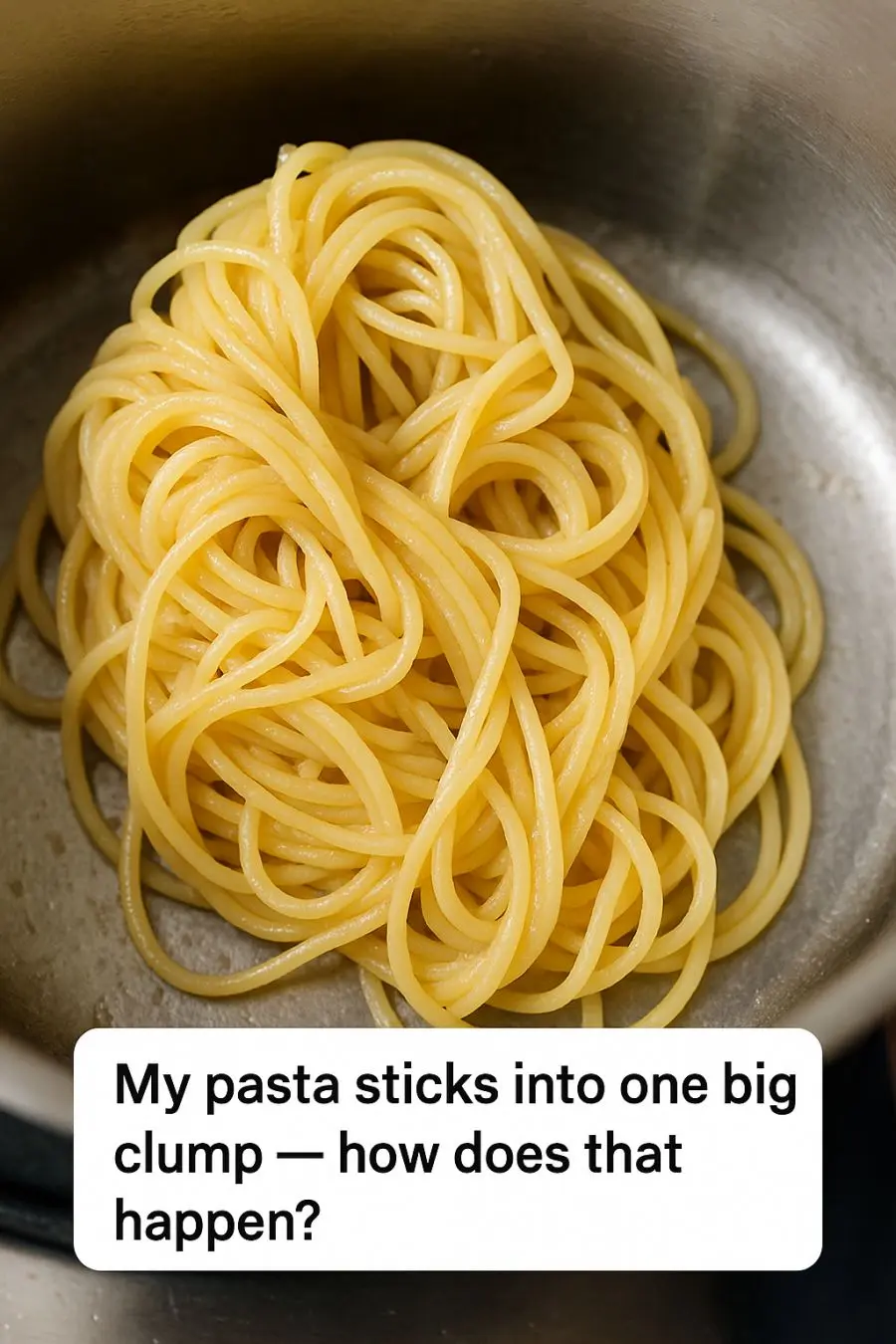
Cooking pasta should be a straightforward process, yet many home cooks find themselves grappling with the frustrating issue of pasta clumping together into a sticky mass. This common kitchen dilemma can ruin a meal’s texture and presentation, turning what should be a delightful dish into an unappetizing blob. Understanding the science behind pasta cooking is crucial to overcoming this culinary challenge.
Several factors contribute to pasta sticking together, from the amount of water used to the timing of when the pasta is added to the pot. This article will explore the reasons why pasta clumps and provide practical solutions to ensure your pasta dishes turn out perfect every time. By addressing each step of the pasta-cooking process, you can avoid these sticky situations and enjoy your pasta as it was meant to be: perfectly cooked and separate.
1. Too Little Water Turns Your Pot Into a Starch Trap
When cooking pasta, it’s crucial to use enough water to dilute the starches that are released during cooking. Using too little water results in a concentrated starch environment, which causes the pasta to stick together. A general rule of thumb is to use at least 4-6 quarts (about 4-6 liters) of water for every pound (450 grams) of pasta.
Ensuring that the pasta has ample water to move around in helps keep it separate. A large volume of water also helps maintain a consistent temperature when the pasta is added, preventing the water from cooling too much and causing the pasta to become sticky.
2. Pasta Needs Space To Move Or It Glues Itself Together
Pasta requires room to move around in the pot as it cooks. If the pot is too small or overcrowded with pasta, the strands will have no choice but to stick together. This is particularly true for longer pasta types like spaghetti or linguine, which need more space to spread out.
To prevent clumping, choose a pot size that allows the pasta to move freely. For most pasta types, a pot that holds at least 6 quarts (about 5.7 liters) of water is ideal. Stir the pasta occasionally during cooking to further ensure that the pieces remain separate.
3. Adding Pasta Before the Water Boils Causes Sticky Surfaces
Adding pasta to water that hasn’t reached a full boil is a common mistake that leads to clumping. When pasta is added too early, it begins to release starches before the water is hot enough to cook it properly. These starches then create a sticky coating on the pasta’s surface.
To avoid this, always wait until the water is at a rolling boil before adding your pasta. This ensures that the pasta cooks quickly and evenly, reducing the chances of it sticking together.
4. Skipping the First Stir Lets Strands Fuse on Contact
The initial few minutes of cooking are crucial for preventing pasta from sticking. As soon as the pasta is added to the boiling water, it’s essential to give it a good stir. This helps to separate the strands and prevents them from sticking together as they cook.
Stir the pasta frequently during the first few minutes of cooking, as this is when it’s most likely to clump. Once the pasta begins to soften, you can reduce the frequency of stirring, but don’t neglect it entirely. Regular stirring throughout the cooking process helps maintain separation.
5. Starch Overload: How Concentrated Starchy Water Creates Clumps
As pasta cooks, it releases starch into the cooking water. If the water is not changed or diluted, this starch can create a thick, sticky environment that causes pasta to clump. Using too little water, as mentioned earlier, exacerbates this issue.
To prevent starch overload, ensure that you’re using a large enough pot with plenty of water. You can also reserve some pasta water for your sauce, which allows you to add flavor without adding stickiness. Just be sure to use it sparingly.
6. Not Salting the Water Properly Affects Texture and Stickiness
Salting pasta water is a crucial step in cooking pasta properly. Salt not only enhances flavor but also affects the texture of the pasta, helping to prevent stickiness. The salt causes the pasta’s surface to become rougher, reducing the contact area between pieces and helping to keep them separate.
Use about 1-2 tablespoons of salt per gallon (4 liters) of water. This may seem like a lot, but most of the salt will remain in the water, not in the pasta. Properly salted water will taste like the sea and lead to perfectly textured, non-sticky pasta.
7. Leaving Pasta Sitting in the Pot After Cooking Makes It Clump
Once pasta is cooked, it’s important to remove it from the pot promptly. Leaving it in the hot water allows it to continue cooking and releasing starch, which can lead to clumping. Additionally, as the pasta cools in the water, it begins to absorb more liquid and stick together.
Drain the pasta as soon as it’s cooked to the desired texture, and if you’re not serving it immediately, rinse it with cold water to stop the cooking process. This step is especially important if you’re planning to use the pasta in a salad or another dish where it won’t be served hot.
8. Rinsing or Not Rinsing: When Each Choice Leads to Stickiness
Rinsing pasta after cooking is a topic of debate among chefs. While rinsing can remove excess starch that causes stickiness, it also removes the pasta’s natural coating, which helps sauces adhere.
For pasta dishes served with sauce, avoid rinsing to maintain the pasta’s ability to hold onto the sauce. However, if you’re making a cold pasta salad or plan to store the pasta, a quick rinse with cold water can prevent clumping and overcooking.
9. Sauce Timing Mistakes That Turn Loose Pasta Into a Lump
The timing of when you add sauce to pasta can affect whether it clumps or not. Adding sauce too early, before the pasta has had a chance to cool slightly, can cause the starches to bind together, leading to clumping.
To prevent this, drain the pasta and let it sit for a minute or two before adding sauce. Alternatively, you can add a small amount of olive oil to the pasta immediately after draining to help keep it separate until you’re ready to sauce it.
10. Misusing Viral “Oil in the Water” Hacks and Other Myths
Adding oil to pasta water is a common myth that many believe prevents sticking. However, oil floats on the water’s surface and does little to prevent clumping. Instead, it can make the pasta slippery, making it difficult for sauce to adhere.
Focus on using enough water, stirring regularly, and timing the addition of sauce correctly. These methods are more effective than adding oil, which can often cause more harm than good when it comes to achieving perfectly cooked pasta.
11. Choosing the Wrong Pot Size and Shape for the Pasta
The size and shape of the pot you use can significantly impact whether your pasta clumps. A pot that is too small can lead to overcrowding, while a tall, narrow pot might not allow for even cooking.
Opt for a wide, deep pot that allows the pasta to move freely. For long pasta, consider using a pot that can accommodate the full length of the noodles without needing to break them. This ensures even cooking and reduces the chances of clumping.
12. How Pasta Shape, Quality, and Gluten Content Affect Clumping
Different pasta shapes and qualities can affect how likely they are to clump. Higher-quality pasta, often made with durum wheat, tends to have a rougher surface that holds sauce better and is less prone to sticking.
Gluten-free pasta, on the other hand, can be more prone to clumping due to its different texture and composition. When cooking gluten-free pasta, be especially vigilant about stirring and using ample water to help prevent clumping.
13. Batch Cooking, Meal Prep, and Storing Pasta Without the Clump
If you’re cooking pasta for meal prep or in large batches, it’s crucial to handle it properly to prevent clumping during storage. After cooking, rinse the pasta with cold water to stop the cooking process and remove excess starch.
Toss the pasta with a small amount of olive oil to keep it from sticking together, and store it in an airtight container. When it’s time to serve, you can reheat the pasta by briefly immersing it in boiling water or by tossing it in a hot pan with your sauce.
