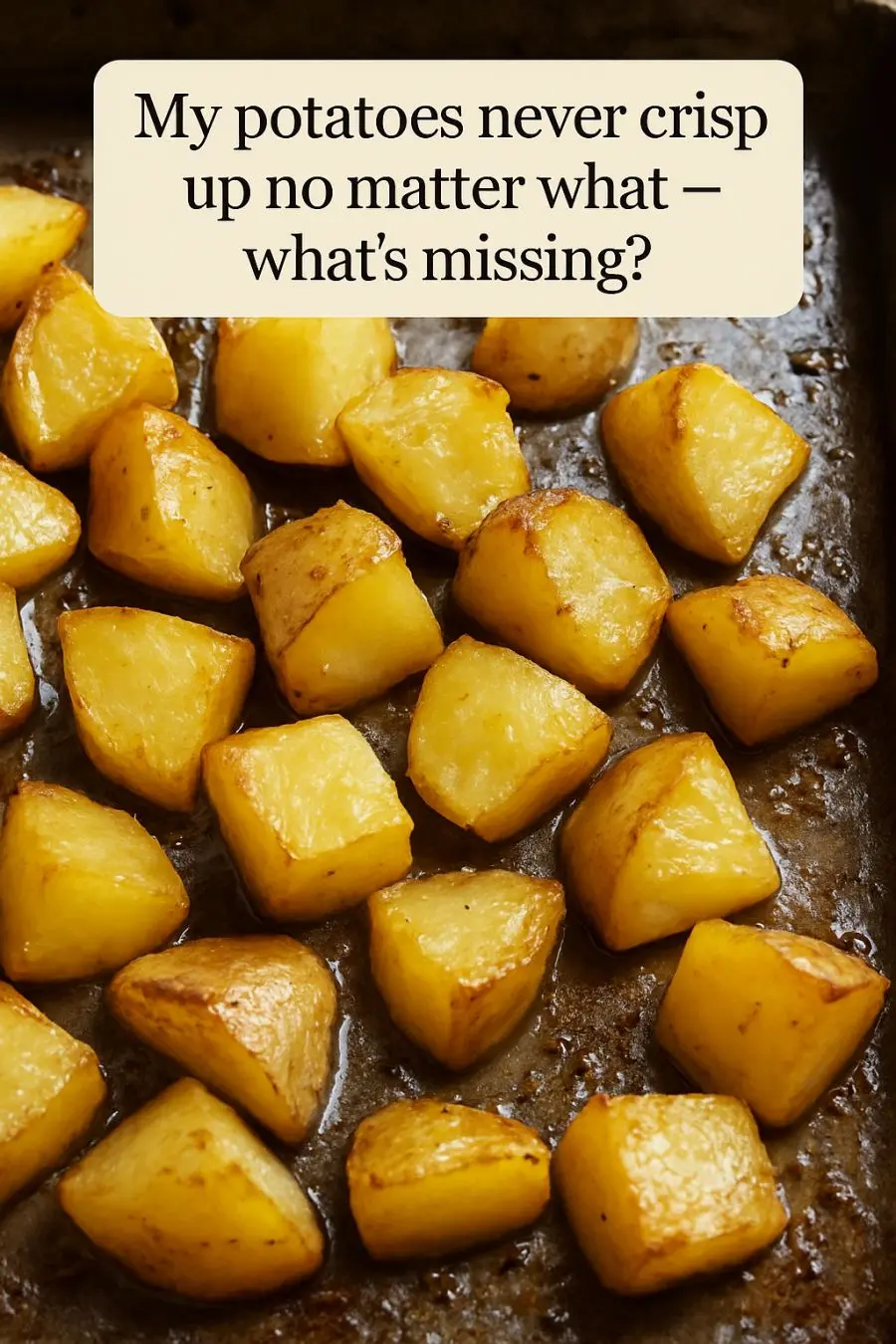
There’s nothing quite like the perfect crispy potato, with its golden-brown exterior and soft, fluffy interior. Yet for many home cooks, achieving this balance seems to be more myth than reality. Despite following recipes to the letter, the result often falls short of expectations, leaving you with soggy, limp potatoes instead of the desired crispness.
In this article, we’ll delve into the common pitfalls that might be sabotaging your efforts to achieve potato perfection. From drying techniques to cooking methods, each step plays a crucial role in the final outcome. By identifying and rectifying these mistakes, you can transform your potato dishes and enjoy the satisfying crunch that has been eluding you.
1. You’re Not Drying Off Enough Surface Moisture
One of the most common mistakes when attempting to crisp up potatoes is neglecting to remove excess moisture from their surface. After rinsing or soaking, it’s crucial to dry the potatoes thoroughly. Use a clean kitchen towel or paper towels to pat them completely dry. Any lingering moisture will create steam in the pan, which inhibits browning and crisping.
For best results, after patting them dry, let the potatoes air dry for a few minutes to ensure all surface moisture has evaporated. This step is particularly important if you’re planning to fry or roast them, as a dry surface allows the fat to adhere better, promoting even browning.
2. You’re Skipping the Soak to Remove Excess Starch
Soaking cut potatoes in cold water for at least 30 minutes can significantly enhance their crispiness. This step helps remove excess starch, which can otherwise cause the potatoes to stick together and prevent them from getting crispy.
To do this, submerge the sliced potatoes in a bowl of cold water and let them sit. After soaking, be sure to rinse them thoroughly under running water to remove all residual starch. This method not only helps achieve a crispier texture but also prevents them from turning an unappetizing gray color.
3. Your Potato Choice Is Working Against You
Not all potatoes are created equal when it comes to crisping up. For the best results, choose starchy potatoes like Russets or Yukon Golds. These varieties have a higher starch content and lower moisture levels, which contribute to a crisp, golden exterior.
Waxy potatoes, such as red or new potatoes, are better suited for dishes where you want the potatoes to hold their shape, like in salads. Their lower starch content means they won’t crisp up as well as their starchy counterparts.
4. Your Cuts Are Too Thick, Uneven, or Inconsistent
The size and uniformity of your potato cuts can greatly affect their ability to crisp up. If your potatoes are cut too thickly, they will take longer to cook through and may not crisp up properly on the outside. Aim for slices or cubes no thicker than half an inch for optimal results.
Additionally, ensure that your cuts are consistent. Uneven pieces will cook at different rates, resulting in some pieces being undercooked while others may burn. Using a mandoline slicer can help achieve uniform slices, which is key to even cooking.
5. You’re Crowding the Pan and Steaming Instead of Crisping
Overcrowding the pan is a common mistake that leads to steaming instead of crisping. When too many potatoes are packed closely together, the moisture they release becomes trapped, preventing them from browning.
To avoid this, spread the potatoes in a single layer with enough space between each piece. If you’re working with a large batch, consider cooking in multiple batches or using multiple pans to ensure that the potatoes have enough room to crisp up properly.
6. Your Oven or Pan Just Isn’t Hot Enough
Temperature plays a critical role in achieving crispy potatoes. If the oven or pan isn’t hot enough, the potatoes will steam rather than crisp. Preheat your oven to at least 425°F (220°C) for roasting, and ensure your pan is preheated before adding the potatoes.
When frying, make sure the oil is hot enough by testing it with a small piece of potato. It should sizzle immediately upon contact. If the oil is too cool, the potatoes will absorb more oil and become greasy rather than crispy.
7. You’re Using the Wrong Fat — or Not Enough of It
The type and amount of fat you use can influence the crispiness of your potatoes. Opt for oils with a high smoke point, such as canola, vegetable, or peanut oil. These oils can withstand high temperatures without burning, allowing the potatoes to crisp up nicely.
Additionally, don’t skimp on the oil. Potatoes need an adequate amount of fat to coat their surfaces and promote even browning. Aim for a thin, even layer of oil across all the potatoes to ensure they crisp up to perfection.
8. You’re Forgetting to Parboil for Fluffy-Inside, Crispy-Outside Potatoes
Parboiling is a technique that can help achieve the perfect balance of a fluffy interior and crispy exterior. By partially cooking the potatoes in boiling water for 5-7 minutes before roasting or frying, you ensure that the insides are tender while allowing the outside to become crispy.
After parboiling, drain the potatoes well and allow them to steam dry. This step helps roughen up the surface, creating more edges that can crisp up during cooking.
9. You’re Adding Salt, Sauce, or Seasonings at the Wrong Time
Timing is crucial when it comes to seasoning potatoes for crispiness. Adding salt too early can draw out moisture, leading to soggy potatoes. Instead, season the potatoes just before serving or after they’ve crisped up.
Similarly, if you’re using sauces or other wet seasonings, add these after the potatoes have been cooked to prevent them from soaking in the moisture and losing their crispness.
10. You’re Flipping, Shaking, or Turning Them Too Often
Constantly flipping or stirring the potatoes can disrupt the formation of a crispy crust. Allow the potatoes to cook undisturbed for several minutes to let a crust form before turning them.
When roasting, wait until the potatoes have developed a golden-brown color on the bottom before flipping them. This helps ensure that each side has enough time to crisp up properly.
11. You’re Skipping Viral Hacks That Actually Work (And Falling for Ones That Don’t)
Not all viral cooking hacks deliver on their promises, but some can genuinely help in achieving crispy potatoes. For instance, dusting the potatoes with a small amount of cornstarch before cooking can enhance their crispiness by drawing out moisture and creating a crunchy coating.
Be cautious of hacks that seem too good to be true, and focus on tried-and-true methods that emphasize proper technique and science-backed approaches for the best results.
12. You’re Ignoring Your Equipment: Pans, Trays, and Air Fryers Matter
The type of equipment you use can impact the crispiness of your potatoes. A heavy-duty baking sheet or cast-iron skillet can retain and distribute heat more evenly, promoting better browning.
Air fryers have also become popular for their ability to produce crispy foods with less oil. If you have one, try using it for your potatoes to achieve a crispy texture with minimal fuss.
13. You’re Rushing the Resting and Serving Window
Patience is key even after the potatoes are cooked. Allowing them a brief resting period helps them firm up and enhances their crispiness.
Once cooked, let the potatoes sit for a few minutes before serving. This allows any residual steam to escape and prevents them from becoming soggy as they cool.
