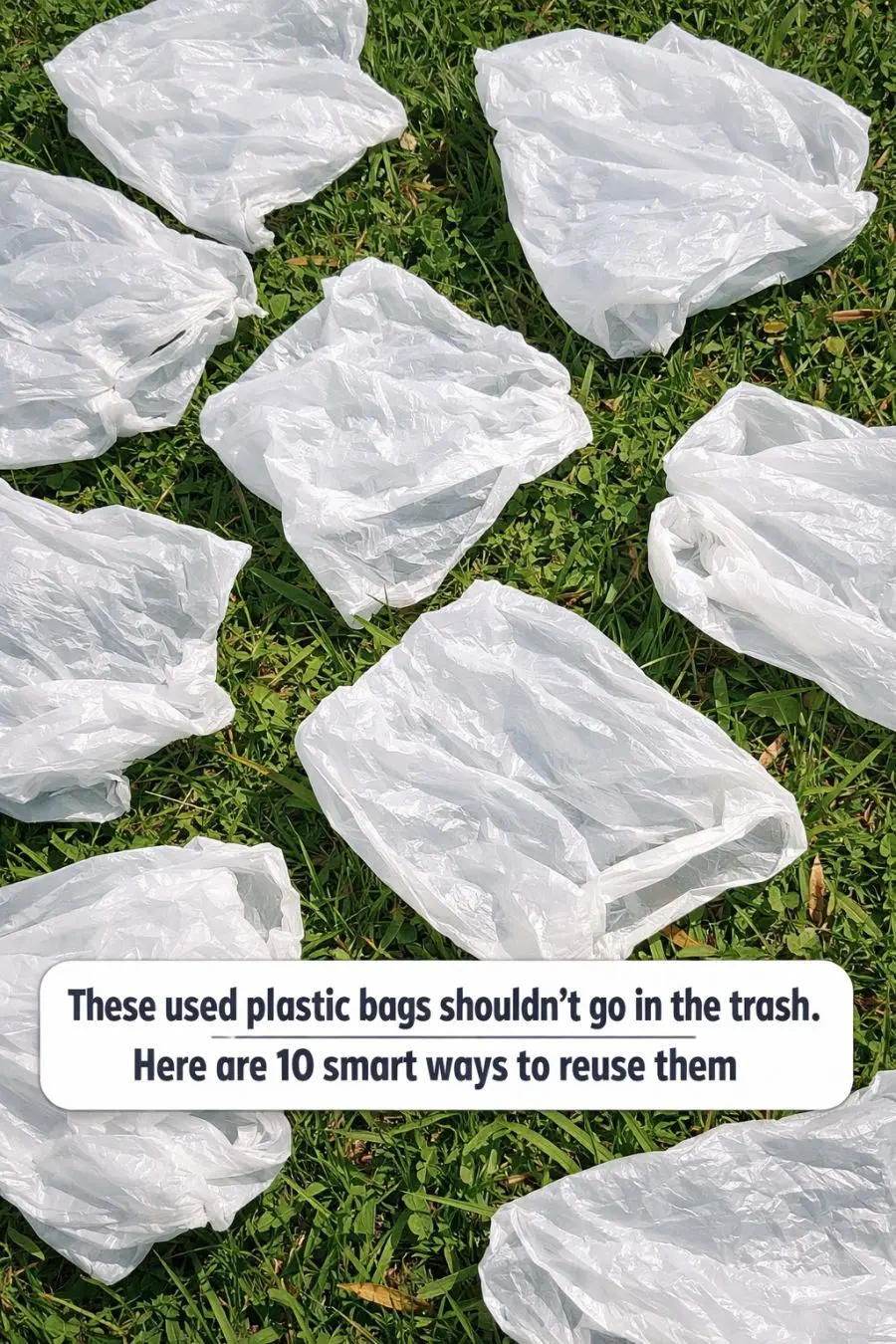
Plastic bags are ubiquitous in our daily lives, often accompanying us home from shopping trips and accumulating in our drawers and cabinets. While they offer temporary convenience, their environmental impact is significant, contributing to pollution and taking hundreds of years to decompose in landfills. Instead of tossing these bags into the trash, consider reusing them in creative and sustainable ways.
By repurposing plastic bags, you not only reduce waste but also discover practical uses that can make everyday tasks easier. Whether you’re looking for organizational solutions, crafting opportunities, or functional household hacks, there are numerous ways to give these bags a second life. Here are ten smart and sustainable ways to reuse plastic bags, keeping them out of the landfill and putting them to good use.
1. Turn Plastic Bags Into Sturdy Reusable Shopping Totes
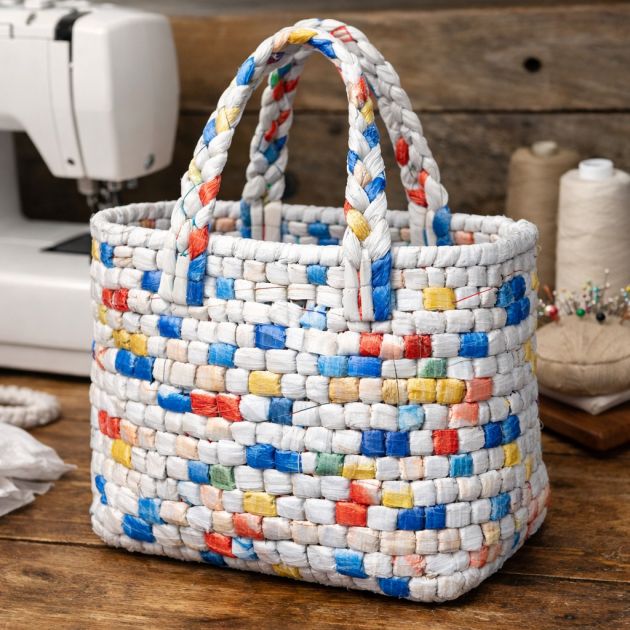
A simple way to repurpose plastic bags is to transform them into sturdy, reusable shopping totes. Start by cutting the bags into strips, approximately 1 inch wide. You’ll need around 30 bags for a medium-sized tote. Once you have enough strips, braid or weave them together to create a strong fabric.
Using a sewing machine or needle and thread, stitch the fabric into a tote shape. You can reinforce the seams by sewing twice over each line. Add handles made from braided strips for easy carrying. This project not only reduces waste but also provides a durable bag that can handle heavy groceries.
2. Transform Them Into DIY Trash And Recycling Liners
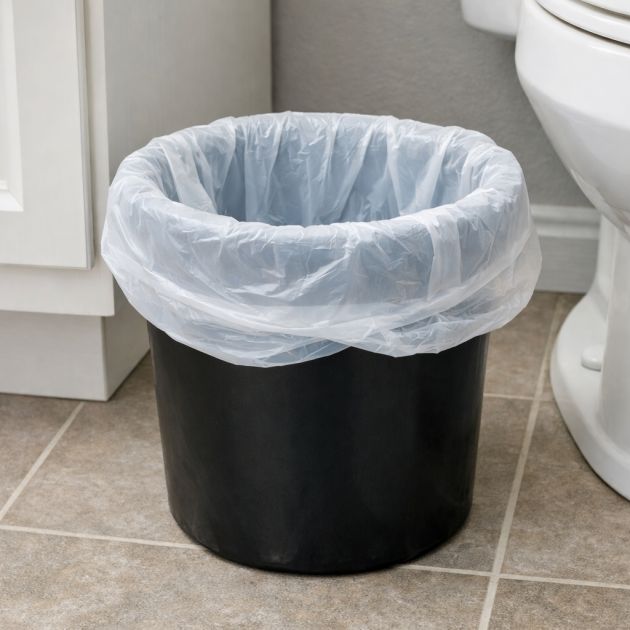
Plastic bags can serve as convenient liners for small trash cans or recycling bins. Simply open the bag and place it inside the bin, folding the edges over the rim to keep it in place. This is especially useful for bathrooms, bedrooms, or home offices where smaller bins are common.
For added security in wet areas, double up the bags to prevent leaks. This simple reuse reduces the need for purchasing specialized bin liners and ensures that the plastic bags you already have at home are put to good use.
3. Use As Protective Covers For Shoes, Clothing, And Gear
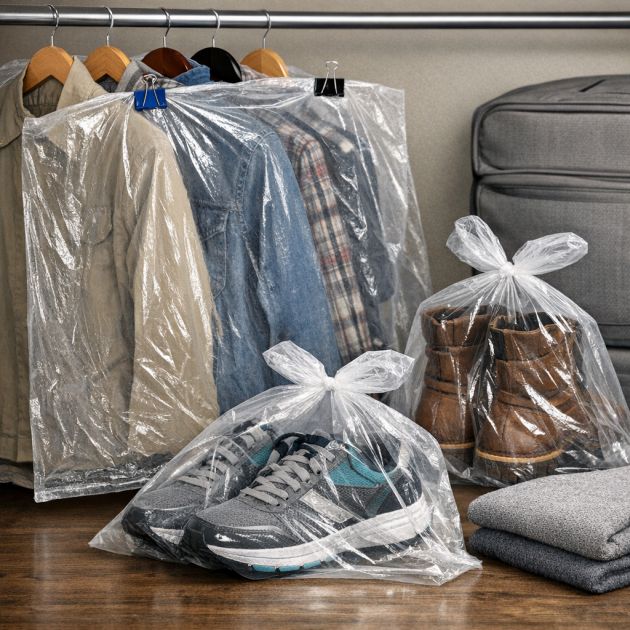
Protect your shoes, clothing, and gear from dust and moisture by using plastic bags as covers. For shoes, slip each pair into a bag and tie the handles to keep them secure. This is particularly useful when packing for travel or storing seasonal items.
For clothing, use larger bags or cut the sides of smaller ones to create a flat sheet, then drape over garments on hangers. Secure with clips or tape to keep them in place. This method protects your items without the need for expensive garment bags.
4. Repurpose As Packing Material For Shipping And Storage
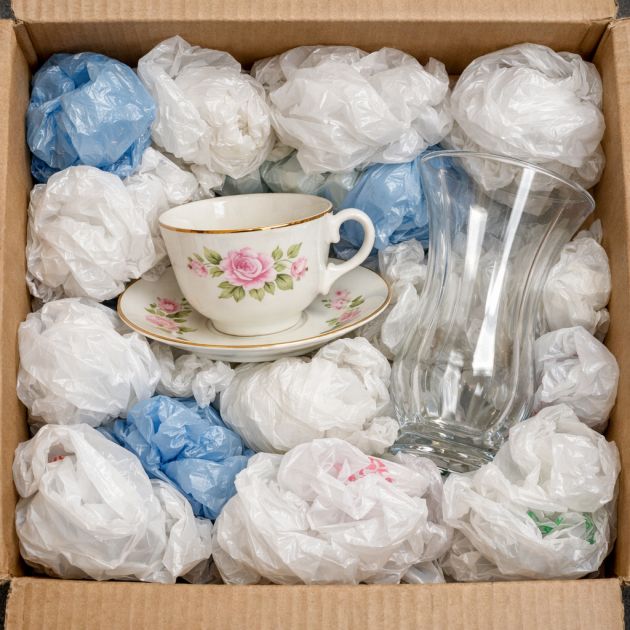
Instead of purchasing bubble wrap or packing peanuts, use plastic bags as a cushioning material for shipping and storage. Crumple each bag into a loose ball and place them around fragile items in boxes to provide padding.
This is an ideal solution for moving or mailing breakable items, as it helps to absorb shock and prevent damage. Plus, using items you already have on hand is both cost-effective and eco-friendly.
5. Braid Plastic Bags Into Durable Rope, Leashes, Or Handles
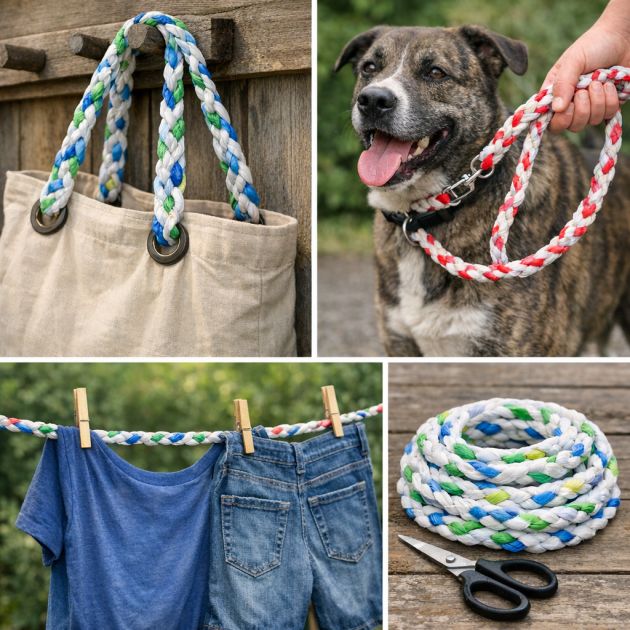
Plastic bags can be braided into surprisingly strong rope, which can then be used for a variety of purposes. Cut the bags into strips, about 2 inches wide, and braid them tightly. You can make the rope as long as you need by joining strips together with simple knots.
This durable rope can be used for crafting handles for bags, creating pet leashes, or even as a clothesline. The strength of the braided plastic makes it versatile and long-lasting, providing a practical solution for everyday needs.
6. Weave Or Crochet ‘Plarn’ Into Mats, Baskets, And Totes
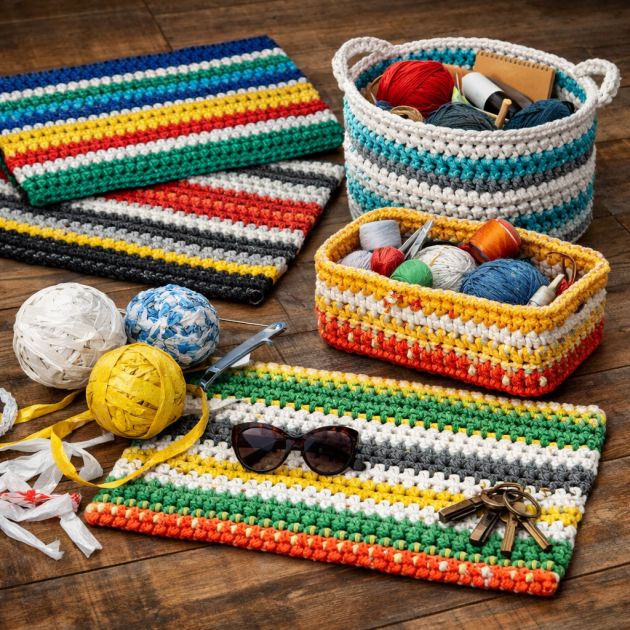
‘Plarn,’ or plastic yarn, is a popular craft material made from plastic bags. To make plarn, cut the bags into strips and loop them together to form a continuous strand. This material can then be woven or crocheted into a variety of items.
Create colorful mats for entryways, sturdy baskets for organizing, or stylish totes for shopping. The possibilities are endless, and each project helps keep plastic out of the landfill while showcasing your creativity.
7. Create Waterproof Barriers For Painting, Gardening, And Crafts
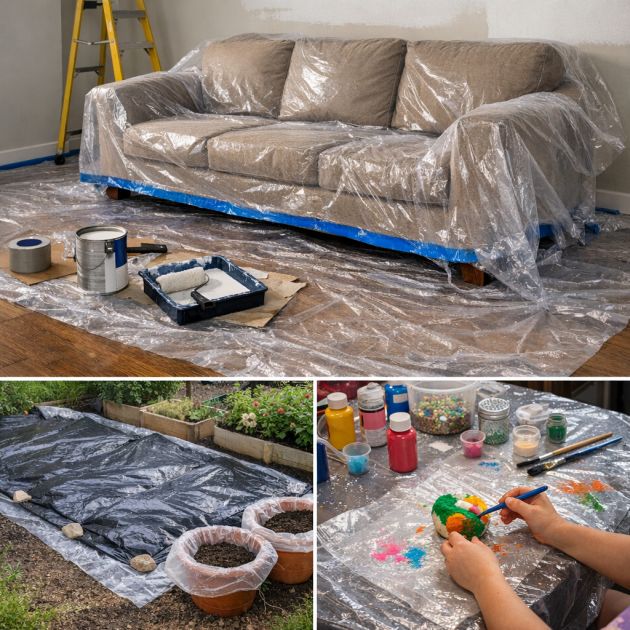
Plastic bags are perfect for creating waterproof barriers in a variety of applications. When painting, use them to cover floors, furniture, or fixtures, securing them with tape to prevent spills or drips.
In the garden, plastic bags can be laid over soil to prevent weed growth or used to line planters, helping to retain moisture. For crafts, they serve as a protective surface for messy projects, making cleanup easier and preventing stains.
8. Turn Them Into On-The-Go Pet Waste And Cleanup Bags
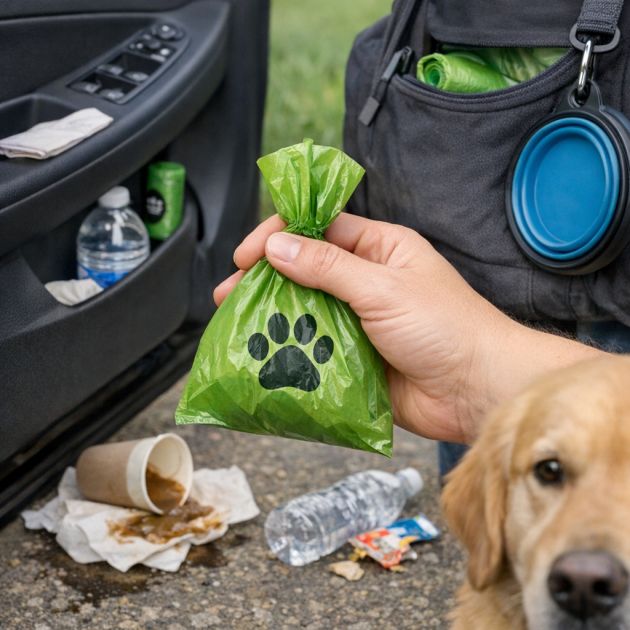
Plastic bags are ideal for on-the-go pet waste disposal. Keep a few in your car, purse, or dog-walking bag for easy access when you’re out with your pet.
These bags are also handy for quick cleanups, whether you’re dealing with a spill in the car or picking up litter during a walk. Having them on hand ensures you’re always prepared for unexpected messes and contributes to a cleaner environment.
9. Upcycle Into Drawer, Shelf, And Bin Organizers
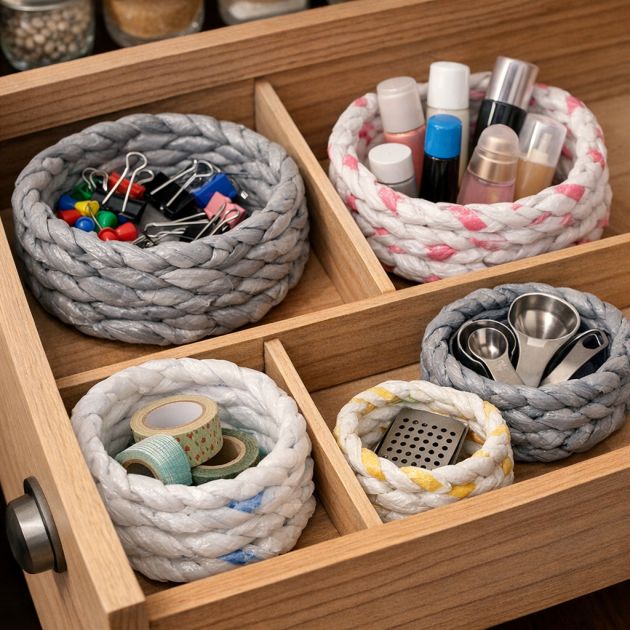
Create custom organizers for drawers, shelves, and bins using plastic bags. Twist the bags into ropes and coil them into circles, securing with hot glue to form small baskets or dividers.
These organizers can hold small items like office supplies, cosmetics, or kitchen gadgets, keeping spaces tidy and functional. Not only does this method utilize materials you already have, but it also adds a personalized touch to your organization system.
10. Collect, Sort, And Drop Them At Store Recycling Programs
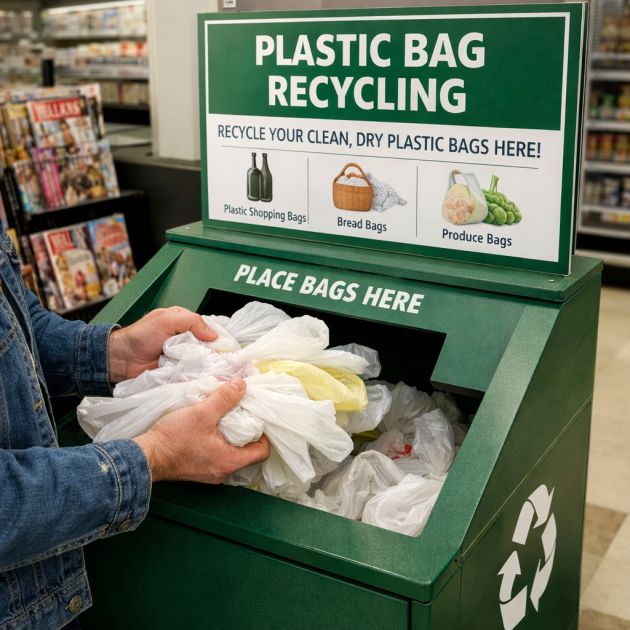
Many stores offer recycling programs specifically for plastic bags. Collect and sort your used bags, checking for any food residue or debris that could contaminate the recycling process.
Once sorted, drop them off at participating locations. This option ensures that your plastic bags are recycled responsibly and are kept out of landfills. Participating in these programs supports a circular economy and encourages responsible waste management practices.
