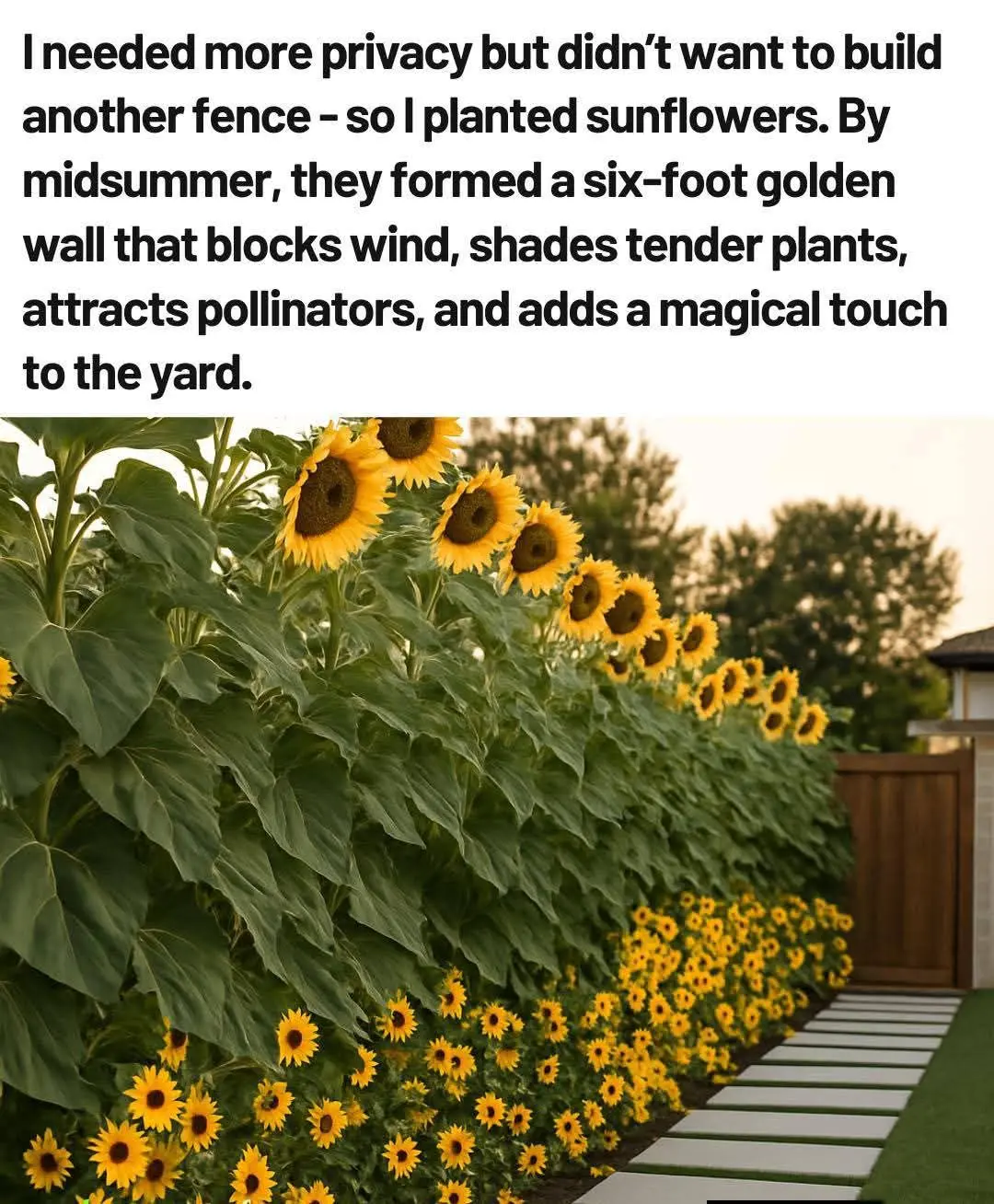
Enhancing Soil Health Naturally
Sunflowers’ deep roots help loosen compacted soil and improve aeration. As they decompose, they contribute valuable organic matter. Even more impressively, sunflowers can absorb toxins from poor soils, a process known as phytoremediation.
This makes them ideal for reclaiming neglected or nutrient-depleted areas.
A Perfect Plant for Children and Beginners
Sunflowers are practically foolproof. Their seeds are large, easy to handle, and quick to sprout, making them perfect for young gardeners. Watching them grow tall and turn their faces to the sun is a joyful, educational experience.
A child’s first sunflower can spark a lifelong love for gardening.
Grow your own sunflowers 🌻 — available on Amazon
Popular Sunflower Varieties to Explore
- Mammoth – Towering giants with massive seed heads.
- Teddy Bear – Fluffy, compact blooms ideal for small spaces.
- Autumn Beauty – Multicolored petals in rich fall tones.
- Sunrich Gold – Pollen-free blooms great for indoor arrangements.
- Italian White – Delicate white petals for a refined aesthetic.
Grow your own sunflowers 🌻 — available on Amazon
How to Grow Sunflowers: A Complete Guide
Choose the Right Location
Pick a sunny spot with at least 6–8 hours of direct light daily. Protect tall varieties from strong wind exposure.
Prepare the Soil
Use well-drained soil with a pH between 6.0 and 7.5. Mix in compost for added fertility.
Planting Seeds
- Wait until after the last frost.
- Sow seeds 1 inch deep.
- Space small varieties 6 inches apart; large ones up to 2 feet.
- Keep rows about 30 inches apart.
Watering Needs
Keep soil moist during germination. Mature sunflowers need about 1 inch of water per week, applied at the base.
Support for Tall Types
Stakes or cages help prevent stem breakage, especially in windy areas.
Fertilization
Apply a light 10-10-10 fertilizer early. Avoid over-fertilizing, which causes excess foliage at the expense of flowers.
Pest Control
Look out for aphids and birds. Use natural predators or row covers to protect seedlings.
Grow your own sunflowers 🌻 — available on Amazon
Harvesting and Using Sunflower Seeds
- When to Harvest: Back of the head turns brown and seeds plump up.
- How to Harvest: Cut stems with 12 inches of stalk, hang to dry, then rub seeds loose.
- Using Seeds: Roast, snack, bake, or save for planting.
Companion Planting with Sunflowers
Sunflowers pair well with:
- Corn and squash for a Three Sisters-style garden.
- Cucumbers for vertical support.
- Leafy greens for shade.
Avoid planting near potatoes and beans due to allelopathic effects.
Grow your own sunflowers 🌻 — available on Amazon
Why You Should Grow Sunflowers in Your Yard
Sunflowers are more than a burst of color—they’re pollinator champions, soil healers, bird feeders, and snack producers. Their impressive versatility and ease of growth make them one of the best additions to any garden space.
From sowing to harvesting, every stage is a joy. So grab some seeds, choose your favorite variety, and let these sunny blooms bring life and vibrancy to your backyard.
Grow your own sunflowers 🌻 — available on Amazon
This post contains affiliate links
