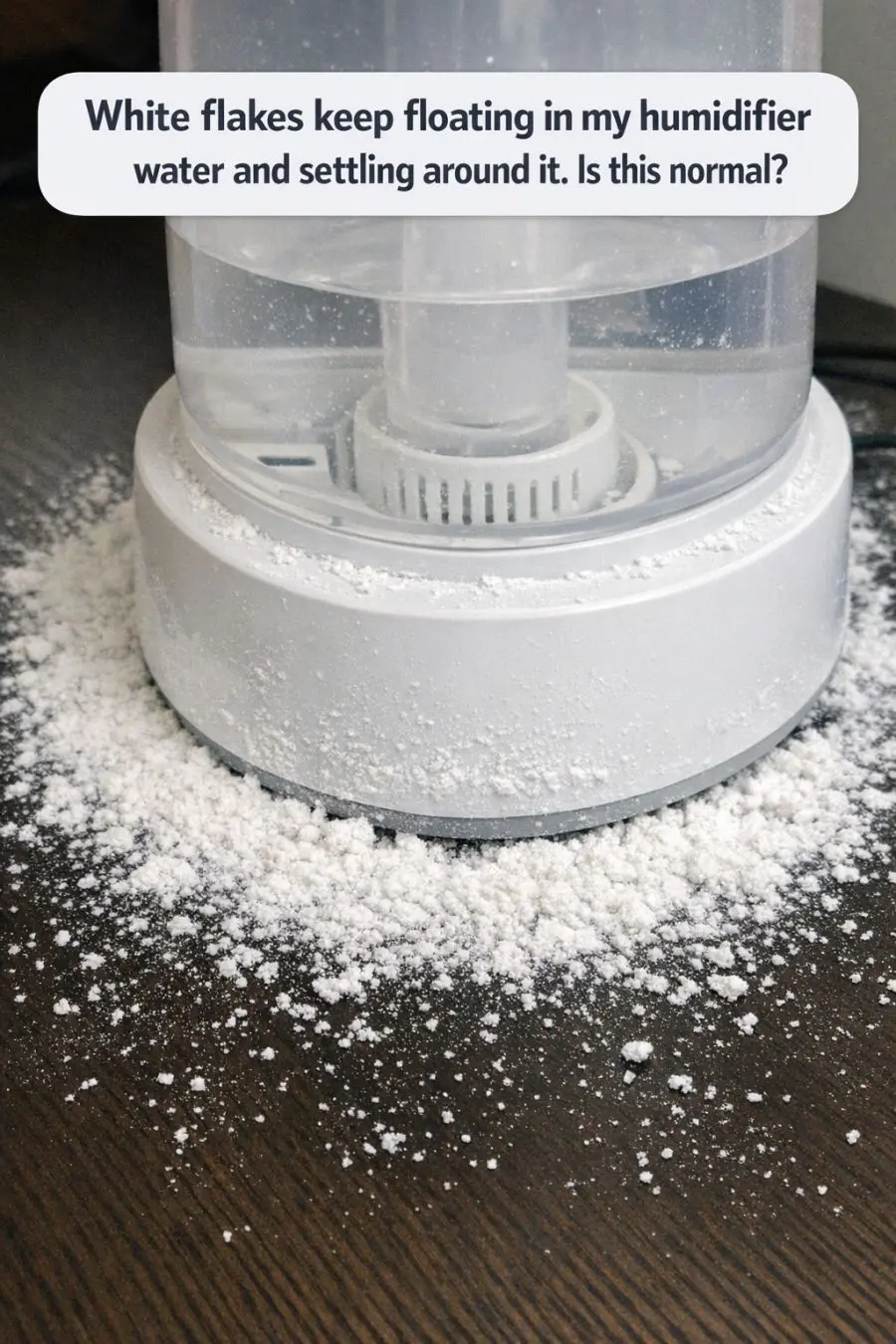
Humidifiers are a popular solution for adding moisture to the air, especially in dry climates or during the winter months when indoor heating can sap the moisture from the air. However, many users report a curious phenomenon: white flakes that seem to float in the water inside the humidifier and settle around it. This can be concerning, especially for those who are unfamiliar with the underlying causes.
Understanding what these white flakes are and why they appear can help alleviate concerns and ensure that your humidifier is working correctly. In this article, we will explore the potential sources of these white flakes, their implications, and how to manage them effectively. We will also provide insights into distinguishing between harmless mineral deposits and potentially harmful substances like mold or bacteria.
1. What Are Those White Flakes in Your Humidifier Water?
The white flakes you observe in your humidifier are typically mineral deposits. When water is heated or evaporated in a humidifier, the minerals dissolved in the water can precipitate out, forming white flakes. This is especially common in areas with hard water, where the concentration of minerals, particularly calcium and magnesium, is high.
These flakes can vary in size and quantity depending on the mineral content of the water and the frequency of humidifier use. While they can be unsightly, they are usually harmless, representing the leftover mineral content that the water once contained.
2. The Hard Water Connection: Minerals Behind the Mystery
Hard water is water that contains a high concentration of dissolved minerals, primarily calcium and magnesium. According to the U.S. Geological Survey, hard water is defined as having more than 60 milligrams per liter (mg/L) of calcium carbonate.
When this hard water is used in a humidifier, the process of evaporation leaves these minerals behind. As the water turns into vapor, minerals like calcium carbonate can collect as solid deposits, forming the white flakes that you see. The higher the mineral content of your water, the more white dust you will likely notice.
3. Is It Normal for White Dust to Settle Around a Humidifier?
Yes, it is quite normal for white dust to settle around a humidifier if you are using hard water. This is a common occurrence and is not usually a cause for concern. The white dust is simply the mineral residue left behind after the water has evaporated.
However, the amount of dust can vary. If you notice excessive amounts of white dust, it might be worth considering the use of distilled water or a demineralization cartridge to reduce the amount of mineral content in the water being used.
4. When White Flakes Are Harmless — And When They’re Not
In most cases, the white flakes from a humidifier are harmless mineral deposits. They do not typically pose a health risk if they are indeed just minerals, which are naturally occurring and non-toxic.
However, if the flakes are accompanied by a musty smell, discoloration, or if they appear slimy, it could be a sign of mold or bacterial growth, which can be harmful. In such cases, it’s essential to clean the humidifier thoroughly and take steps to prevent microbial growth.
5. Could It Be Mold or Bacteria Instead of Mineral Fallout?
While white flakes are often mineral deposits, they can sometimes be confused with mold or bacterial growth, especially if the humidifier is not cleaned regularly. Mold can appear as white, gray, or even black spots and may have a fuzzy texture.
Bacteria, on the other hand, might not be visible but can produce biofilms that appear as slimy layers. If you suspect mold or bacteria, it is crucial to clean your humidifier immediately and ensure it is dried thoroughly between uses to prevent further growth.
6. Health Risks: Is Breathing Humidifier White Dust Dangerous?
Breathing in humidifier white dust, which is primarily composed of mineral deposits, is generally not considered dangerous for most people. However, those with respiratory conditions like asthma may find that the dust irritates their lungs.
If the dust is actually composed of mold or bacteria, it could pose more significant health risks, particularly for individuals with weakened immune systems, allergies, or respiratory issues. Therefore, maintaining a clean humidifier is essential to prevent any potential health hazards.
7. Simple Tests to Tell Mineral Scale from Mold Growth
To distinguish between mineral scale and mold growth, you can perform a few simple tests. First, examine the texture and color: mineral deposits are usually hard and chalky, while mold may appear fuzzy or slimy. Mold can also have a musty odor.
You can also test with a vinegar solution: apply some vinegar to the suspected area. If it fizzes and dissolves, it’s likely a mineral deposit. Mold will not react in this way and may require a stronger cleaning solution to remove.
8. Cleaning Routines That Actually Remove Mineral Buildup
To effectively remove mineral buildup, regularly clean your humidifier using a solution of equal parts water and white vinegar. Let the vinegar sit in the base and other affected areas for at least 30 minutes before scrubbing with a soft brush.
For stubborn deposits, you might need to repeat the process or use a descaling solution specifically designed for humidifiers. Rinse all parts thoroughly with clean water before reassembling and using the humidifier.
9. Smart Prevention: Distilled Water, Filters, and De-Mineralization Cartridges
Using distilled water in your humidifier is an effective way to minimize mineral buildup, as it contains significantly fewer minerals than tap water. This can help reduce the occurrence of white flakes.
Additionally, some humidifiers come with filters or demineralization cartridges that can trap minerals before they enter the air. Regularly replacing these components according to the manufacturer’s instructions can help maintain the efficiency of your humidifier.
10. When to Replace Your Humidifier (And How to Choose a Better One)
If your humidifier is consistently producing excessive white dust or shows signs of wear and tear, it might be time to consider a replacement. Look for models with built-in demineralization features or those specifically designed for use with hard water.
Consider factors such as the size of the room, the type of humidifier (cool mist vs. warm mist), and additional features like automatic shut-off or humidistats, which can help maintain optimal humidity levels without producing excess dust.
11. How to Keep Your Air Moist Without the Mess of White Flakes
To maintain air moisture without dealing with white flakes, consider using a combination of methods. Houseplants can naturally increase humidity levels while also improving air quality. Placing small bowls of water near heat sources can also help add moisture to the air.
For those who prefer using a humidifier, selecting one with ultrasonic technology or built-in filters can help reduce mineral dust. Regular maintenance and the use of distilled water are key strategies for keeping your air moist and comfortable without the messy fallout of white flakes.
