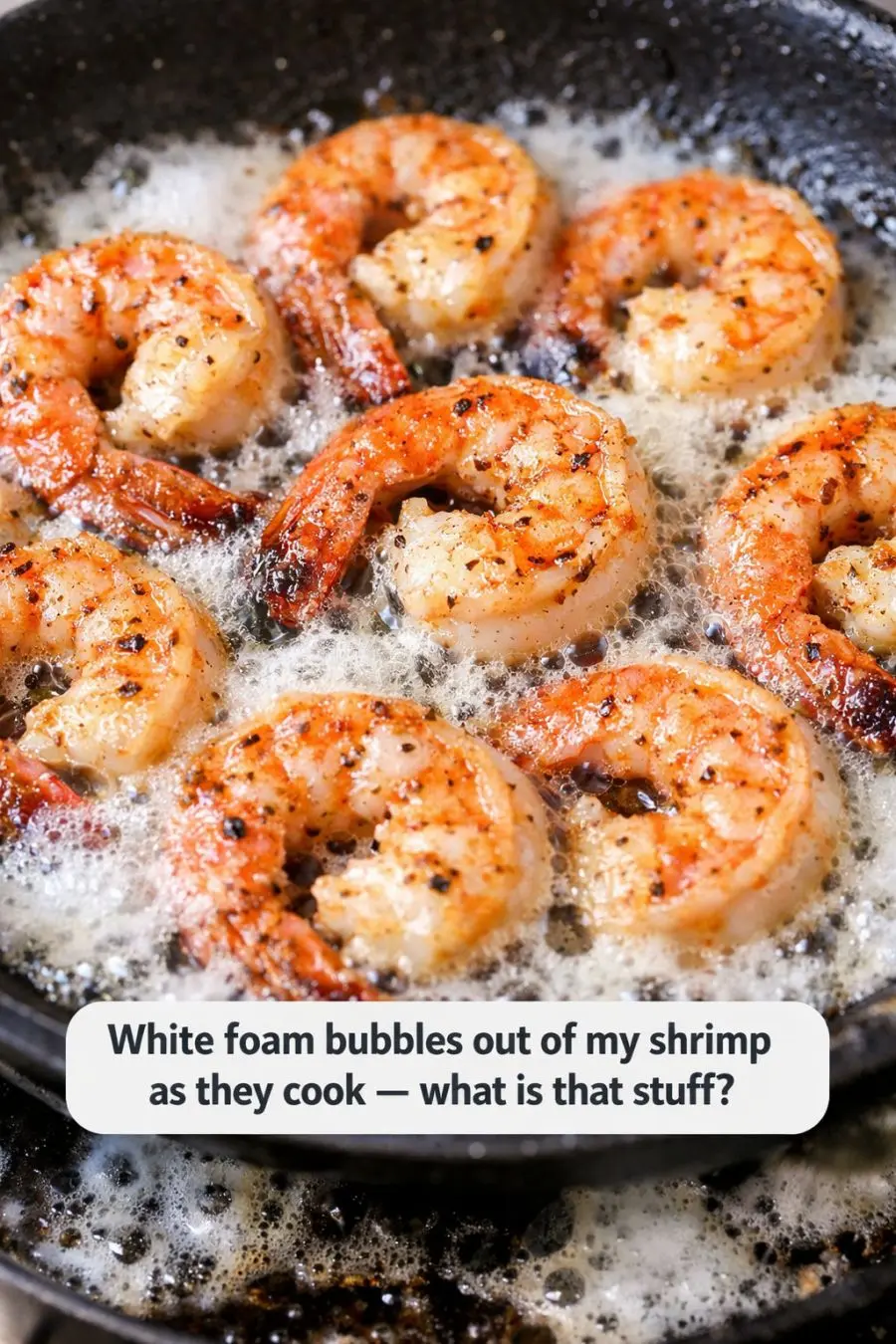
Cooking shrimp should be a straightforward task, yet many home cooks encounter an unexpected phenomenon: white foam bubbling out of the shrimp as they cook. This mysterious foam can be alarming, leaving one to wonder if it affects the taste, texture, or safety of the dish.
In this article, we’ll delve into the science behind the foam, explore why it happens more with certain types of shrimp, and offer practical tips for minimizing it in your culinary endeavors. Understanding this process will help you cook shrimp with confidence, ensuring a delicious and visually appealing meal.
1. What That White Foam on Shrimp Actually Is
The white foam that appears when cooking shrimp primarily consists of proteins and water. When shrimp are heated, the proteins in the muscle tissues denature and coagulate, which can lead to the formation of foam. This is similar to the scum that forms when boiling meat or making stock.
The foam can also contain other substances such as fats and carbohydrates, but proteins are the main contributors. As the shrimp cook, the proteins are released into the water and form a frothy layer on the surface.
2. The Science: Proteins, Water, And Ice Crystals Explained
Shrimp, like all seafood, are composed of a high percentage of water and proteins. When frozen shrimp are cooked, the ice crystals that have formed within the flesh melt and release water. This water, combined with heat, causes the proteins to denature and coagulate, producing foam.
The structure of proteins is sensitive to heat. As the temperature rises, these proteins unfold and form new bonds, trapping water and air in the process, which manifests as foam. This reaction is more pronounced in shrimp that have been frozen and thawed compared to fresh shrimp.
3. Fresh vs. Frozen: Why Frozen Shrimp Foam More
Frozen shrimp are more prone to foaming because they contain more water due to the freezing process. Ice crystals form within the shrimp’s tissues, and when thawed, these crystals turn into excess water that contributes to foam formation.
Fresh shrimp, in contrast, have a firmer texture with less water content, resulting in less foaming. The freezing and thawing process not only affects the water content but also the integrity of the muscle fibers, making them more susceptible to releasing proteins when cooked.
4. How Brines, Additives, And Phosphates Increase the Bubbles
Many commercially frozen shrimp are treated with brines or solutions containing phosphates to enhance moisture retention and flavor. These additives can increase the water content by up to 15%, leading to more foaming during cooking.
Phosphates, in particular, are known to increase the water-binding capacity of shrimp, which results in more water being released when heat is applied. This additional water, combined with the denaturing proteins, results in more foam.
5. When White Foam Is Normal — And When It’s a Red Flag
White foam is generally normal when cooking shrimp and is not a cause for concern. However, an excessive amount of foam or foam with an off-putting odor can indicate spoilage or the presence of unwanted additives.
If the shrimp emit a strong ammonia-like smell or the foam is unusually thick and persistent, it may be a sign that they are not fresh or have been improperly stored. In such cases, it’s best to err on the side of caution and discard the shrimp.
6. Does the Foam Affect Flavor, Texture, Or Safety?
The presence of foam does not inherently affect the flavor or safety of cooked shrimp. However, it can impact the texture if the shrimp are overcooked during the process of trying to reduce the foam.
While the foam itself is not harmful, it can be visually unappealing and may slightly alter the taste of the cooking liquid if not skimmed off. Skimming the foam can result in a cleaner and more refined dish.
7. The Best Way to Rinse, Thaw, And Prep Shrimp to Reduce Foam
Properly rinsing and thawing shrimp can greatly reduce the amount of foam produced during cooking. Rinse shrimp under cold running water to remove surface impurities and excess ice crystals.
Thaw shrimp slowly in the refrigerator or under cold water to minimize texture changes. Pat them dry with paper towels before cooking to remove additional moisture, which will help reduce foaming.
8. Cooking Techniques That Keep Shrimp From Boiling Over
To prevent excessive foaming, use a large pot with plenty of water when boiling shrimp. This allows for better heat distribution and reduces the risk of boiling over.
Bring the water to a gentle simmer rather than a rolling boil before adding the shrimp. This slower cooking method reduces the agitation of the proteins and helps minimize foam.
9. Restaurant Secrets for Cleaner, Clearer Shrimp Broth
Professional kitchens often use skimming techniques to keep shrimp broths clear. As the shrimp cook, chefs carefully remove the foam with a fine mesh skimmer or spoon.
Additionally, some chefs add a small amount of acid, such as lemon juice or vinegar, to the water. This can help stabilize the proteins and reduce foam formation.
10. Common Myths About Shrimp Foam, Debunked
One common myth is that the foam is a sign of poor-quality shrimp. In reality, even high-quality shrimp can produce foam due to the natural proteins and water content.
Another misconception is that foaming indicates the presence of harmful chemicals. While additives like phosphates can increase water content, they are not inherently dangerous when used within regulatory limits.
11. How to Choose Higher-Quality Shrimp With Less Gunk
When selecting shrimp, look for those that are firm, translucent, and have a mild ocean scent. Avoid shrimp with a strong ammonia smell or those that appear mushy.
Opt for shrimp labeled as “chemical-free” or “naturally treated” to reduce the likelihood of additives that increase foaming. Choosing fresh shrimp over frozen, when possible, can also result in less foam during cooking.
