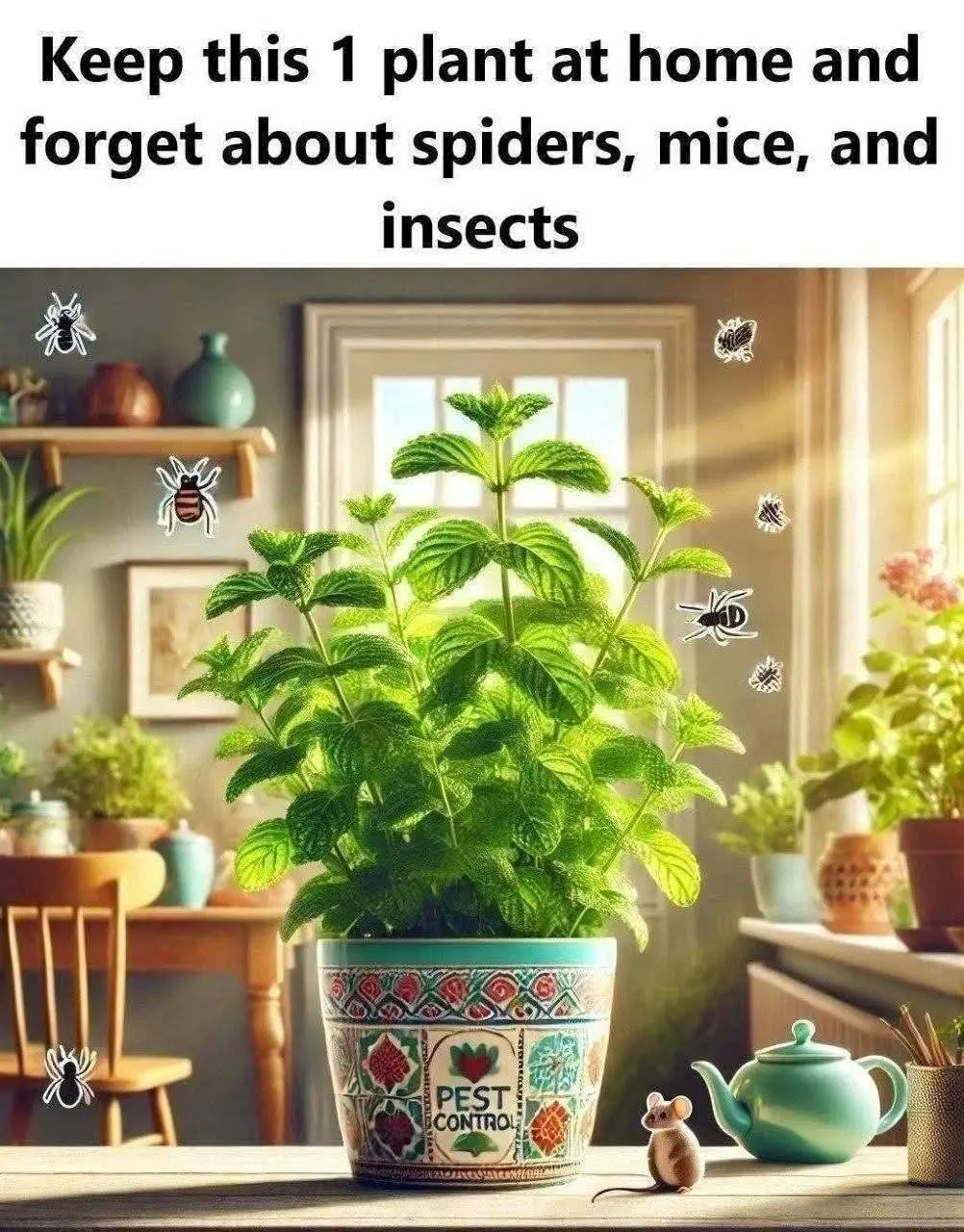
Are pesky spiders, mice, and insects invading your home? Imagine a single, natural solution that not only adds a touch of greenery to your living space but also keeps these unwanted visitors at bay. The answer lies in a remarkable plant known for its potent pest-repelling properties. In this article, we will introduce you to this extraordinary plant and explain how it can become your home’s best defense against common household pests.
Scientific Background and Plant Characteristics
The miraculous plant we’re talking about is the ‘Mint’ plant. Scientifically known as
Mentha, mint belongs to the Lamiaceae family. This hardy perennial herb is known for its aromatic leaves that release a refreshing scent. There are various species of mint, including spearmint and peppermint, each with its unique properties. Mint plants are characterized by their square stems, opposite leaves, and tiny flowers. They thrive in a range of climatic conditions and are commonly grown in gardens, pots, or as indoor plants.
Understanding the Pest-Repelling Properties
The secret behind mint’s pest-repelling prowess lies in its powerful essential oils.
These oils contain compounds such
as menthol and pulegone, which are highly effective in deterring spiders, mice, and insects. The strong scent emitted by mint is pleasing to humans but repulsive to many pests. For instance, spiders and insects like mosquitoes, ants, and fleas find the smell overwhelming, which drives them away. Similarly, mice have a keen sense of smell and are particularly sensitive to the scent of mint, making them avoid areas where the plant is present.
Advantages of Keeping This Plant at Home
Incorporating mint into your home offers numerous benefits beyond pest
control. Firstly, it’s a natural and non-toxic solution, ensuring the safety of your family and pets. Unlike chemical repellents, mint doesn’t pose any health risks. Additionally, mint is easy to grow and maintain, contributing to indoor air quality and adding a pleasant aroma to your home. This versatile plant can also be used in cooking, herbal remedies, and as a garnish for beverages, making it a valuable addition to your household.
Proper Placement and Care TipsTo maximize the pest-repelling benefits of mint, it’s essential to know where and how to
place it in your home. Place potted mint plants near entry points such as doors and windows to create a barrier against pests. In the garden, plant mint around the perimeter to deter insects and rodents from entering your home. Mint thrives in well-drained soil with moderate sunlight, making it suitable for both indoor and outdoor growth. Regular watering, adequate sunlight, and occasional trimming will ensure your mint plant remains healthy and effective.
Success Stories and Testimonials
Many homeowners have successfully used mint to combat pest problems. For instance, Sarah
from Texas shares, ‘Ever since I placed mint plants around my windows, I’ve noticed a significant reduction in spiders and ants. It’s such a relief to find a simple and natural solution!’ Similarly, John from California states, ‘I used to struggle with mice in my garage. After planting mint around the entrance, the mice have completely disappeared. I highly recommend it!’ These testimonials highlight the practical benefits of using mint as a pest repellent.
Comparisons with Other Pest-Repelling MethodsWhen compared to other pest-repelling methods, mint stands out for several reasons.
